« Back
We encourage you to call the collectives prior to making the trip, in case the hours have changed or the facility has been closed.
Ventura OG Corner
17550 Ventura Blvd. [map]
Encino, CA 91316
Hours: Mon-Sun 10am to 12am
Phone: 818-292-7296
Email: VOGCCaregivers@yahoo.com
Covers the following zip codes in Encino, California: 91316, 91335, 91416, 91426, 91436
If you know of an event that you feel should be listed on our calendar, please send details to info@mjdispensaries.com ~Thank You
Latest Headlines and Information
Showing posts with label cooperatives. Show all posts
Sunday, April 1, 2012
Sunday, May 8, 2011
Long Beach Medical Marijuana Dispensaries, Collectives and Co-ops
1 Love Beach Club
2767 E Broadway [map]
Long Beach, CA 90803
Hours: Mon-Sat 11am to 8pm, Sun 12am to 5pm
Phone: 562-343-5388
E-Mail: info@1love420.com
Web: http://www.1love420.com
562 Discount Meds
2025 E 10th St. [map]
Long Beach, CA 90804
Phone: 562-343-7007
Web: lbmmd.com
Alternative Therapeutic Solutions
5707 Atlantic Ave [map]
Long Beach, CA 90805
Phone: 562-428-7033
Fax: 562-372-3315
Hours: Mon-Sun 10am to 7pm
Web: facebook.com/ATS.MEDS
Twitter: twitter.com/ATSMEDS
Avalon Wellness Collective
1302 Gaylord [map]
Long Beach, CA 90813
Phone: 562-628-8881
Web: Weed Maps
Belmont Shore Natural Care
5375 E 2nd St., Long Beach, CA 90803
Phone: 562-987-0210
Hours: Mon-Sun 9:00am to 7pm
Website: belmontshorenaturalcare.com
C.A.R.E. Collective
3009 E. South Street [map]
Long Beach, CA 90805
Phone: 562-633-5874
Chronic Pain Releaf Center
1501 Santa Fe Ave. [map]
Long Beach, CA 90813
Hours: Mon-Sun 9am to 7pm
Phone: 562-432-5555
Website: http://www.myreleaf.com
Cornerstone Health & Wellness

1838 E. Wardlow St.
Long Beach, CA 90807
Phone: 562-426-9800
Hours: Mon-Sat 10am to 8pm, Sun 10am to 5pm
Website: cornerstonemeds.com/
Dank Depot
5595 E. 7th Street
Long Beach, CA 90804
Phone: 562-597-6041
Hours: Mon-Sun 10am to 8pm
Website: http://www.DankDepot.com
E-Mail: dank_depot@yahoo.com
Green Earth Center
3748 Atlantic Ave., Long Beach, CA 90807 [map]
Hours: Mon-Sat 11am-8pm, Sun 11am-6pm
Phone: 562-989-0300
Email: info@greenearthcenter.com
Web: greenearthcenter.blogspot.com
Greenhouse Caregivers
1428 W. Willow St. Long Beach, CA 90810 [map]
Hours: Mon-Sun 10am to 8pm
Phone: 562-290-8180
Email: ghcaregivers@verizon.net
Herbal Solutions:
High Quiggle Healing Center
1532 E. Broadway [map and more]
Long Beach, CA 90802
Phone: 562-951-3975
Hours: Mon-Sat 10am to 8:00pm, Sun 1:00pm to 8:00pm
Email: 420firestarter@gmail.com
Industry Green Collective
2200 N. Lakewood Blvd. [map]
Long Beach, CA 90815
Phone: 562-986-9400
Hours: Mon-Sat 10am-8pm, Sun 11am-6pm
Irie Collective
1424 E. Broadway Ave. [map]
Long Beach, CA 90802
Hours: Mon-Sun 10am to 7pm
Phone: 562-432-2111
Long Beach Collective
1731 E. Artesia Blvd. [map]
Long Beach, CA 90805
Hours: Mon-Sat 9am to 7pm, Sun 10am to 7pm
Phone: 562-934-2520
Long Beach Green Room
1735 E. 7th St. [map]
Long Beach, CA 90813
Hours: Mon-Sun 9am to 7pm
Phone: 562-591-0001
Natural Solutions
2130 W. Cowles St. [map]
Long Beach, CA 90813
Phone: 562-425-8310
NatureCann
4340 Atlantic Ave.
Long Beach, CA 90807
Hours: Mon-Sat 11am to 8pm, Sun 12pm to 5pm
Phone: 323-515-4500
Website: www.naturecann.com
Email: info@naturecann.com
Covers the following zip codes in Long Beach, California: 90745, 90746, 90747, 90749, 90755, 90801, 90802, 90803, 90804, 90805, 90806, 90807, 90808, 90809, 90810, 90813, 90814, 90815, 90822, 90831, 90832, 90833, 90834, 90835, 90840, 90842, 90844, 90845, 90846, 90847, 90848, 90853, 90888, 90895, 90899
2767 E Broadway [map]
Long Beach, CA 90803
Hours: Mon-Sat 11am to 8pm, Sun 12am to 5pm
Phone: 562-343-5388
E-Mail: info@1love420.com
Web: http://www.1love420.com
562 Discount Meds
2025 E 10th St. [map]
Long Beach, CA 90804
Phone: 562-343-7007
Web: lbmmd.com
Alternative Therapeutic Solutions
5707 Atlantic Ave [map]
Long Beach, CA 90805
Phone: 562-428-7033
Fax: 562-372-3315
Hours: Mon-Sun 10am to 7pm
Web: facebook.com/ATS.MEDS
Twitter: twitter.com/ATSMEDS
Avalon Wellness Collective
1302 Gaylord [map]
Long Beach, CA 90813
Phone: 562-628-8881
Web: Weed Maps
Belmont Shore Natural Care
5375 E 2nd St., Long Beach, CA 90803
Phone: 562-987-0210
Hours: Mon-Sun 9:00am to 7pm
Website: belmontshorenaturalcare.com
C.A.R.E. Collective
3009 E. South Street [map]
Long Beach, CA 90805
Phone: 562-633-5874
Chronic Pain Releaf Center
1501 Santa Fe Ave. [map]
Long Beach, CA 90813
Hours: Mon-Sun 9am to 7pm
Phone: 562-432-5555
Website: http://www.myreleaf.com
Cornerstone Health & Wellness

1838 E. Wardlow St.
Long Beach, CA 90807
Phone: 562-426-9800
Hours: Mon-Sat 10am to 8pm, Sun 10am to 5pm
Website: cornerstonemeds.com/
Dank Depot
5595 E. 7th Street
Long Beach, CA 90804
Phone: 562-597-6041
Hours: Mon-Sun 10am to 8pm
Website: http://www.DankDepot.com
E-Mail: dank_depot@yahoo.com
Green Earth Center
3748 Atlantic Ave., Long Beach, CA 90807 [map]
Hours: Mon-Sat 11am-8pm, Sun 11am-6pm
Phone: 562-989-0300
Email: info@greenearthcenter.com
Web: greenearthcenter.blogspot.com
Greenhouse Caregivers
1428 W. Willow St. Long Beach, CA 90810 [map]
Hours: Mon-Sun 10am to 8pm
Phone: 562-290-8180
Email: ghcaregivers@verizon.net
Herbal Solutions:
- 1206 E. Wardlow Rd. Long Beach, CA - 562-997-2929 - Hours: Daily 10am-8pm
- 5746 E. 2nd St. Long Beach, CA - 562-434-5075 - Hours: Daily 10am-8p
High Quiggle Healing Center
1532 E. Broadway [map and more]
Long Beach, CA 90802
Phone: 562-951-3975
Hours: Mon-Sat 10am to 8:00pm, Sun 1:00pm to 8:00pm
Email: 420firestarter@gmail.com
Industry Green Collective
2200 N. Lakewood Blvd. [map]
Long Beach, CA 90815
Phone: 562-986-9400
Hours: Mon-Sat 10am-8pm, Sun 11am-6pm
Irie Collective
1424 E. Broadway Ave. [map]
Long Beach, CA 90802
Hours: Mon-Sun 10am to 7pm
Phone: 562-432-2111
Long Beach Collective
1731 E. Artesia Blvd. [map]
Long Beach, CA 90805
Hours: Mon-Sat 9am to 7pm, Sun 10am to 7pm
Phone: 562-934-2520
Long Beach Green Room
1735 E. 7th St. [map]
Long Beach, CA 90813
Hours: Mon-Sun 9am to 7pm
Phone: 562-591-0001
Natural Solutions
2130 W. Cowles St. [map]
Long Beach, CA 90813
Phone: 562-425-8310
NatureCann
4340 Atlantic Ave.
Long Beach, CA 90807
Hours: Mon-Sat 11am to 8pm, Sun 12pm to 5pm
Phone: 323-515-4500
Website: www.naturecann.com
Email: info@naturecann.com
Covers the following zip codes in Long Beach, California: 90745, 90746, 90747, 90749, 90755, 90801, 90802, 90803, 90804, 90805, 90806, 90807, 90808, 90809, 90810, 90813, 90814, 90815, 90822, 90831, 90832, 90833, 90834, 90835, 90840, 90842, 90844, 90845, 90846, 90847, 90848, 90853, 90888, 90895, 90899
Wednesday, March 9, 2011
Santa Ana Dispensaries, Collectives and Co-ops
Accesss OC Central
1833 E. 17th St., Suite 322 [map]
Santa Ana, CA 92705
Hours: Mon-Sat 11am to 8pm, Closed on SUNDAYS
Phone: 714-972-2000
Aloha Community Collective Assn
2112 E. 4th St. Unit #227 [map]
Santa Ana CA 92705
Hours: Mon-Sun 10am to 7pm
Website: http://thedopeman.com
Coastal Collective
2001 E. 4th St. Unit 205
Santa Ana, CA 92701
Hours: Mon-Sat 11am to 8pm, Sun 11am to 6pm
Phone: 714-542-2277
Greenway Healing Center
2720 S. Bristol St.. Suite #109
Santa Ana, CA 92704
Hours: Mon-Fri 10am to 8pm, Sat 10am to 7pm, Sun 11am to 5pm
Phone: 714-545-4040
Go N' Green P.C.A.
1905 E 17th St #201
Santa Ana, CA 92705
Hours: Mon-Sun 10am to 9pm
Phone: 714-766-0420
MJ's Compassionate Care
13912 Ponderosa St, Unit G
Santa Ana, CA 92705
Phone: 714-613-2191
Email: mjswild@yahoo.com
Orange Coast Premier Collective
3619 W. Pendleton Ave. Ste A
Santa Ana, CA 92704
Hours: Mon-Thu 11am to 8pm, Fri-Sat 11am to 9pm, Sun 11am to 6pm
Website: http://www.ocpcollective.org
Email: info@ocpcollective.org
Phone: 714-591-7000
Orange County Cannabis Collective
1833 E. 17th Street Ste #114
Santa Ana, CA 92705
Hours: Mon-Sat 11am-8pm, Sun 12pm-5pm
Phone: 714-476-9270
Orange Co. Patient Group Collective
2315 E. 17th Street #4 [map]
Santa Ana, CA 92705
Hours: Mon-Fri 10am to 7:45pm Sat-Sun 11am to 6:45pm
Phone: 714-547-2525
Santa Ana Patients Group
1823 E. 17th St. Suite 209 [map]
Santa Ana, CA 92705
Hours: Mon-Thu 10am to 8pm, Fri-Sat 10am to 9pm, Sun 10am-7pm
Phone: 714-568-0041
South Coast Patients Center
1202 East 17th St Suite #200 [map]
Santa Ana, CA 92701
Hours: Mon-Sat 10am to 8pm, Sun 11am to 6pm
Phone: (714) 547-4800
Covers the following zip codes in Santa Ana, California: 92701, 92702, 92703, 92704, 92705, 92706, 92707, 92711, 92712, 92725, 92735, 92799
1833 E. 17th St., Suite 322 [map]
Santa Ana, CA 92705
Hours: Mon-Sat 11am to 8pm, Closed on SUNDAYS
Phone: 714-972-2000
Aloha Community Collective Assn
2112 E. 4th St. Unit #227 [map]
Santa Ana CA 92705
Hours: Mon-Sun 10am to 7pm
Website: http://thedopeman.com
Coastal Collective
2001 E. 4th St. Unit 205
Santa Ana, CA 92701
Hours: Mon-Sat 11am to 8pm, Sun 11am to 6pm
Phone: 714-542-2277
Greenway Healing Center
2720 S. Bristol St.. Suite #109
Santa Ana, CA 92704
Hours: Mon-Fri 10am to 8pm, Sat 10am to 7pm, Sun 11am to 5pm
Phone: 714-545-4040
Go N' Green P.C.A.
1905 E 17th St #201
Santa Ana, CA 92705
Hours: Mon-Sun 10am to 9pm
Phone: 714-766-0420
MJ's Compassionate Care
13912 Ponderosa St, Unit G
Santa Ana, CA 92705
Phone: 714-613-2191
Email: mjswild@yahoo.com
Orange Coast Premier Collective
3619 W. Pendleton Ave. Ste A
Santa Ana, CA 92704
Hours: Mon-Thu 11am to 8pm, Fri-Sat 11am to 9pm, Sun 11am to 6pm
Website: http://www.ocpcollective.org
Email: info@ocpcollective.org
Phone: 714-591-7000
Orange County Cannabis Collective
1833 E. 17th Street Ste #114
Santa Ana, CA 92705
Hours: Mon-Sat 11am-8pm, Sun 12pm-5pm
Phone: 714-476-9270
Orange Co. Patient Group Collective
2315 E. 17th Street #4 [map]
Santa Ana, CA 92705
Hours: Mon-Fri 10am to 7:45pm Sat-Sun 11am to 6:45pm
Phone: 714-547-2525
Santa Ana Patients Group
1823 E. 17th St. Suite 209 [map]
Santa Ana, CA 92705
Hours: Mon-Thu 10am to 8pm, Fri-Sat 10am to 9pm, Sun 10am-7pm
Phone: 714-568-0041
South Coast Patients Center
1202 East 17th St Suite #200 [map]
Santa Ana, CA 92701
Hours: Mon-Sat 10am to 8pm, Sun 11am to 6pm
Phone: (714) 547-4800
Covers the following zip codes in Santa Ana, California: 92701, 92702, 92703, 92704, 92705, 92706, 92707, 92711, 92712, 92725, 92735, 92799
Labels:
co-ops,
collectives,
cooperatives,
dispensaries,
medical marijuana_,
santa ana
Friday, February 11, 2011
NEWS: San Bernardino County commission delays vote on medical marijuana dispensaries
By Ryan Hagen
San Bernardino County planning commissioners, expressing concern they weren't getting an objective staff report on a proposal to ban medical marijuana dispensaries, decided Thursday to delay voting on the issue.
Over the next two weeks, two members of the Planning Commission will work with county staff to develop what they say would be a more balanced presentation of the proposal, which would affect unincorporated county land.
Commissioners also said they needed time to digest nearly five hours of comments from the public.
"Looking at this objectively, based on the fact that we have law enforcement's side, I want to look at it statistically, analytically from the other side - not anecdotes like we've mostly heard today," said Commissioner Audrey Mathews.
Most of those commenting were medical marijuana patients who said using it has dramatically increased their quality of life without the side effects of other drugs they had been prescribed.
Other speakers supported the staff conclusion that the county's moratorium on new marijuana dispensaries should be increased to a ban, based on what they said was the immorality of using marijuana and on statistics suggesting crime increased around dispensaries in other counties.
Dozens of opponents of the ban - which would prohibit growing marijuana outside or distribution by anyone except narrowly defined health-care providers - protested outside the County Government Center in downtown San Bernardino before the meeting.
"They're thwarting the will of the people of California," said Kathie Zamanjoromi, who owns a house in San Bernardino but says she began renting in Riverside because of its more permissive marijuana laws. "We're not criminals. I'm a grandparent, but before (receiving a marijuana prescription) I was on too many (prescribed) pills to function."
Because California allows marijuana use with a prescription, despite federal laws against it - and because of mental and physical relief she said no other medicine provides - Zamanjoromi said she and others will continue to use marijuana even if the San Bernardino County restrictions go into effect.
"I'm going to obtain my medicine no matter what," she said. "Either from Mexican drug cartels or from a responsible, regulated dispensary."
Several members of the Planning Commission suggested they might want to amend the proposal before they consider it Feb. 17.
They will then make a recommendation to county supervisors, who also must act quickly if they want to have a new policy in place before June, when the moratorium expires. State law does not allow the moratorium to be extended again.
The Board of Supervisors will accept only a strict restriction, predicted Paul Chabot, founder of the Coalition for a Drug Free California, based in Rancho Cucamonga.
"This battle is about the future of our kids. I'm impassioned to fight this," he said.
Riverside, Los Angeles and Orange counties have recently moved to ban marijuana dispensaries. Lawsuits soon followed.
Nineteen San Bernardino County municipalities have passed a ban, four have a moratorium and one, Chino Hills, effectively prohibits it with an ordinance against breaking federal law.
As a result, unincorporated lands risked becoming a dumping ground if the moratorium expires, county staff said.
Source: Contra Costa Times
San Bernardino County planning commissioners, expressing concern they weren't getting an objective staff report on a proposal to ban medical marijuana dispensaries, decided Thursday to delay voting on the issue.
Over the next two weeks, two members of the Planning Commission will work with county staff to develop what they say would be a more balanced presentation of the proposal, which would affect unincorporated county land.
Commissioners also said they needed time to digest nearly five hours of comments from the public.
"Looking at this objectively, based on the fact that we have law enforcement's side, I want to look at it statistically, analytically from the other side - not anecdotes like we've mostly heard today," said Commissioner Audrey Mathews.
Most of those commenting were medical marijuana patients who said using it has dramatically increased their quality of life without the side effects of other drugs they had been prescribed.
Other speakers supported the staff conclusion that the county's moratorium on new marijuana dispensaries should be increased to a ban, based on what they said was the immorality of using marijuana and on statistics suggesting crime increased around dispensaries in other counties.
Dozens of opponents of the ban - which would prohibit growing marijuana outside or distribution by anyone except narrowly defined health-care providers - protested outside the County Government Center in downtown San Bernardino before the meeting.
"They're thwarting the will of the people of California," said Kathie Zamanjoromi, who owns a house in San Bernardino but says she began renting in Riverside because of its more permissive marijuana laws. "We're not criminals. I'm a grandparent, but before (receiving a marijuana prescription) I was on too many (prescribed) pills to function."
Because California allows marijuana use with a prescription, despite federal laws against it - and because of mental and physical relief she said no other medicine provides - Zamanjoromi said she and others will continue to use marijuana even if the San Bernardino County restrictions go into effect.
"I'm going to obtain my medicine no matter what," she said. "Either from Mexican drug cartels or from a responsible, regulated dispensary."
Several members of the Planning Commission suggested they might want to amend the proposal before they consider it Feb. 17.
They will then make a recommendation to county supervisors, who also must act quickly if they want to have a new policy in place before June, when the moratorium expires. State law does not allow the moratorium to be extended again.
The Board of Supervisors will accept only a strict restriction, predicted Paul Chabot, founder of the Coalition for a Drug Free California, based in Rancho Cucamonga.
"This battle is about the future of our kids. I'm impassioned to fight this," he said.
Riverside, Los Angeles and Orange counties have recently moved to ban marijuana dispensaries. Lawsuits soon followed.
Nineteen San Bernardino County municipalities have passed a ban, four have a moratorium and one, Chino Hills, effectively prohibits it with an ordinance against breaking federal law.
As a result, unincorporated lands risked becoming a dumping ground if the moratorium expires, county staff said.
Source: Contra Costa Times
Saturday, February 5, 2011
VIDEO: Cathy Bliss shares medical marijuana documentary with San Diego Planning Commission
Cathy Bliss, at the San Diego Planning Commission Meeting (January 20th, 2011), shares video from a documentary with medical professionals from California, speaking on the subject of medical cannabis and how it benefits the human body.
Thursday, February 3, 2011
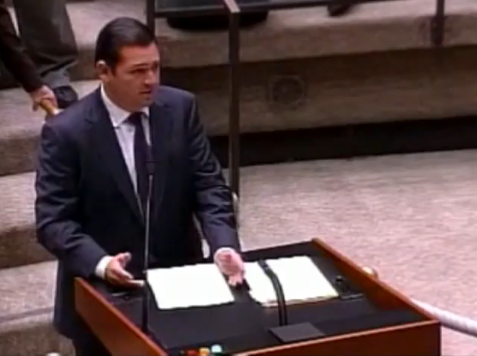
VIDEO: Greg Schultz testifies on medical marijuana laws in San Diego at Planning Commission Meeting
For more city council and commission videos from San Diego and other popular cities, please visit our YouTube Channel at: http://www.youtube.com/user/drherbalst
Friday, January 28, 2011
EDITORIAL: Still defying voters
The members of the San Diego County Board of Supervisors don't like the fact that voters legalized medical marijuana. They've made that clear in the 14-plus years since Prop. 215 was passed (including by a majority of voters in San Diego County). They've spent hundreds of thousands of dollars unsuccessfully suing to overturn the measure, refusing to issue clear guidelines to regulate dispensaries and looking the other way while the sheriff and district attorney (who are independently elected and funded by the county, but don't report to the board) used county resources in cooperating with federal agents to harass the dispenaries.
So we get the fact that the Board of Supervisors is strongly opposed to the notion of medical marijuana dispensaries.
But we are a nation of laws, and the voters legally enacted legislation directing their elected officials to allow these businesses to sell marijuana to patients with a doctor's recommendation.
And yet the board decided earlier this week to impose an $11,000 annual fee on dispensaries ---- yet another slap in the face to voters. It is an onerous, unreasonable fee designed not to regulate, but to financially strangle. (By comparison, the county license to operate a massage parlor ---- another business open to abuse ---- costs just under $400 a year.)
The state charges $12,000 for a license to sell liquor, with an annual renewal of less than $1,000. And a business with an alcohol license can transfer that license down the road, recouping the original outlay.
A $12,000 investment is high enough to strongly encourage good behavior on the part of liquor establishments (i.e., not serving minors, not serving those who are already drunk) ---- because repeated violations of laws governing the sale of alcohol can result in a business being stripped of its license and losing that $12,000.
That sort of financial incentive is a good one ---- the initial fee is an investment in the business, and the annually recurring fee is not so high that it can't be recovered as a normal cost of doing business.
Considering that the medical marijuana dispensaries are required by law to be run as nonprofits, an $11,000 annual fee is unreasonable, the purpose behind it duplicitous.
Given the uneven implementation of Prop. 215 throughout California, and the overt defiance of some jurisdictions, we wonder whether the state Legislature shouldn't revisit the issue and impose statewide regulations.
A framework similar to that used to regulate alcohol sales would respect voters' wishes while also protecting the public from those who would abuse Prop. 215.
Source: North County Times
So we get the fact that the Board of Supervisors is strongly opposed to the notion of medical marijuana dispensaries.
But we are a nation of laws, and the voters legally enacted legislation directing their elected officials to allow these businesses to sell marijuana to patients with a doctor's recommendation.
And yet the board decided earlier this week to impose an $11,000 annual fee on dispensaries ---- yet another slap in the face to voters. It is an onerous, unreasonable fee designed not to regulate, but to financially strangle. (By comparison, the county license to operate a massage parlor ---- another business open to abuse ---- costs just under $400 a year.)
The state charges $12,000 for a license to sell liquor, with an annual renewal of less than $1,000. And a business with an alcohol license can transfer that license down the road, recouping the original outlay.
A $12,000 investment is high enough to strongly encourage good behavior on the part of liquor establishments (i.e., not serving minors, not serving those who are already drunk) ---- because repeated violations of laws governing the sale of alcohol can result in a business being stripped of its license and losing that $12,000.
That sort of financial incentive is a good one ---- the initial fee is an investment in the business, and the annually recurring fee is not so high that it can't be recovered as a normal cost of doing business.
Considering that the medical marijuana dispensaries are required by law to be run as nonprofits, an $11,000 annual fee is unreasonable, the purpose behind it duplicitous.
Given the uneven implementation of Prop. 215 throughout California, and the overt defiance of some jurisdictions, we wonder whether the state Legislature shouldn't revisit the issue and impose statewide regulations.
A framework similar to that used to regulate alcohol sales would respect voters' wishes while also protecting the public from those who would abuse Prop. 215.
Source: North County Times
Tuesday, January 18, 2011
Make marijuana ordinance clear: Letters for Tuesday, Jan. 18
Re "City Council to tweak medical marijuana ordinance" (Jan. 15):
The City Council needs to provide the public with clear and specific guidelines for the operation of medical marijuana dispensaries. Woodland Hills, at one time, had 40 dispensaries. While many have been closed, some may reopen under the city's new rules. Woodland Hills is attractive to dispensaries because of its relaxed suburban character and because it's adjacent to unincorporated L.A. County, which does not permit medicinal marijuana sales.
When many of the now-closed stores opened, all they needed was a resale license. I ask the City Council to come up with rules, like those used to permit the sale of alcohol and the revocation of sales permits, for marijuana dispensaries. Without these tools we will be unable to moderate or prohibit the actions of the stores and their customers anywhere in L.A. We need these rules now.
- SEAN MCCARTHY
Encino
Libraries vital in crime prevention
Re "Safety First" (Editorial, Jan. 9):
Police officers, public safety experts and district attorneys understand that a high literacy rate and the availability of after-school activities are among the most important factors in creating a safe city.
While the Daily News is right to place a high priority on funding for our vital police and fire services, this simply is not and cannot be the only solution. City of Los Angeles
libraries operate the largest after-school program in the city and are responsible for providing literacy programs for toddlers, children, teens and adults. Libraries are crime preventers. When neighborhood libraries close or reduce their hours significantly, there are few alternatives for the 90,000 children who visit our 73 branches weekly.
In the 2010-2011 budget cycle, the Police and Fire departments received nearly 70 percent of the city's budget. The Library Department on the other hand received approximately 3 percent! I authored and continue to support Measure L because as someone with 38 years on the Police Department, including five years as chief, I know it will reverse the current trend of cuts that have devastated our libraries and compromised our public safety, prevention and intervention efforts. In these tough economic and budget times we must not be penny-wise and pound-foolish.
- BERNARD C. PARKS
Los Angeles
The writer represents the L.A. City Council's
Eighth District and is a former LAPD police chief
Human nature holds U.S. back
America the beautiful, minus human nature, would be near perfection.
- LLORENS PEMBROOK
Studio City
AT&T phone outages to be fixed
AT&T is solid in its commitment to its customers in Los Angeles, and recovery efforts from the recent historically devastating storms are no exception. AT&T is continuing to do all it can to ensure every resident resumes service. I know AT&T is working with many VICA members to achieve this goal. Technicians were brought from Northern California to work around the clock until every phone outage is fixed. As Southern California residents, we are all too familiar with natural disasters and have witnessed AT&T's commitment to its customers under these circumstances.
- STUART WALDMAN
Van Nuys
The writer is president of the Valley Industry and Commerce Association (VICA)
Unlikely to meet energy goals
Re "DWP leaps ahead of clean energy goals"
(Jan. 14):
To begin to meet mandated renewable energy levels, the Department of Water and Power constructed the Pine Tree Wind Farm at a cost of more than $425 million, consisting of 80 wind towers on 2,000 acres. While rated at 120 megawatts, wind pattern studies, part of the Integrated Resources Plan, indicates that during the windy month of August 2009, the farm actually provided 13 to 48 megawatts on an average day minus conversion and line losses.
The installation will provide, on average, 0.42 percent of the electrical energy needed by the city of Los Angeles and will require hot backup from gas turbine plants when the wind does not blow. While DWP predicts a 5 percent increase per year in costs, I believe the prediction of Jack Humphreville - who serves on the neighborhood council panel working with the DWP - of increases of 8 percent and more. Reality sets in.
- GORDON OSBORNE
Woodland Hills
Source: Los Angeles Daily News
The City Council needs to provide the public with clear and specific guidelines for the operation of medical marijuana dispensaries. Woodland Hills, at one time, had 40 dispensaries. While many have been closed, some may reopen under the city's new rules. Woodland Hills is attractive to dispensaries because of its relaxed suburban character and because it's adjacent to unincorporated L.A. County, which does not permit medicinal marijuana sales.
When many of the now-closed stores opened, all they needed was a resale license. I ask the City Council to come up with rules, like those used to permit the sale of alcohol and the revocation of sales permits, for marijuana dispensaries. Without these tools we will be unable to moderate or prohibit the actions of the stores and their customers anywhere in L.A. We need these rules now.
- SEAN MCCARTHY
Encino
Libraries vital in crime prevention
Re "Safety First" (Editorial, Jan. 9):
Police officers, public safety experts and district attorneys understand that a high literacy rate and the availability of after-school activities are among the most important factors in creating a safe city.
While the Daily News is right to place a high priority on funding for our vital police and fire services, this simply is not and cannot be the only solution. City of Los Angeles
libraries operate the largest after-school program in the city and are responsible for providing literacy programs for toddlers, children, teens and adults. Libraries are crime preventers. When neighborhood libraries close or reduce their hours significantly, there are few alternatives for the 90,000 children who visit our 73 branches weekly.
In the 2010-2011 budget cycle, the Police and Fire departments received nearly 70 percent of the city's budget. The Library Department on the other hand received approximately 3 percent! I authored and continue to support Measure L because as someone with 38 years on the Police Department, including five years as chief, I know it will reverse the current trend of cuts that have devastated our libraries and compromised our public safety, prevention and intervention efforts. In these tough economic and budget times we must not be penny-wise and pound-foolish.
- BERNARD C. PARKS
Los Angeles
The writer represents the L.A. City Council's
Eighth District and is a former LAPD police chief
Human nature holds U.S. back
America the beautiful, minus human nature, would be near perfection.
- LLORENS PEMBROOK
Studio City
AT&T phone outages to be fixed
AT&T is solid in its commitment to its customers in Los Angeles, and recovery efforts from the recent historically devastating storms are no exception. AT&T is continuing to do all it can to ensure every resident resumes service. I know AT&T is working with many VICA members to achieve this goal. Technicians were brought from Northern California to work around the clock until every phone outage is fixed. As Southern California residents, we are all too familiar with natural disasters and have witnessed AT&T's commitment to its customers under these circumstances.
- STUART WALDMAN
Van Nuys
The writer is president of the Valley Industry and Commerce Association (VICA)
Unlikely to meet energy goals
Re "DWP leaps ahead of clean energy goals"
(Jan. 14):
To begin to meet mandated renewable energy levels, the Department of Water and Power constructed the Pine Tree Wind Farm at a cost of more than $425 million, consisting of 80 wind towers on 2,000 acres. While rated at 120 megawatts, wind pattern studies, part of the Integrated Resources Plan, indicates that during the windy month of August 2009, the farm actually provided 13 to 48 megawatts on an average day minus conversion and line losses.
The installation will provide, on average, 0.42 percent of the electrical energy needed by the city of Los Angeles and will require hot backup from gas turbine plants when the wind does not blow. While DWP predicts a 5 percent increase per year in costs, I believe the prediction of Jack Humphreville - who serves on the neighborhood council panel working with the DWP - of increases of 8 percent and more. Reality sets in.
- GORDON OSBORNE
Woodland Hills
Source: Los Angeles Daily News
Friday, January 14, 2011
NEWS: Judge says Los Angeles pot dispensaries must post $350K bond
The judge who ruled parts of the Los Angeles medical marijuana law unconstitutional says pot dispensaries must post a nearly $350,000 bond within 10 days for the court injunction to take effect.
About 50 dispensaries asked for the injunction issued last month by Superior Court Judge Anthony Mohr. The judge says several parts of the law are unconstitutional, including the complex process for deciding which dispensaries would be allowed.
Dispensary attorneys asked the judge Friday to set no bond, saying the city wouldn't suffer any harm from the injunction. But city lawyers say police and lawyer fees are mounting because closed pot stores are returning to business and new ones are popping up.
Attorney David Welch, who represents many dispensaries, told the Los Angeles Times he's confident the bond will be posted.
Information from: Los Angeles Times
Copyright 2011 The Associated Press
About 50 dispensaries asked for the injunction issued last month by Superior Court Judge Anthony Mohr. The judge says several parts of the law are unconstitutional, including the complex process for deciding which dispensaries would be allowed.
Dispensary attorneys asked the judge Friday to set no bond, saying the city wouldn't suffer any harm from the injunction. But city lawyers say police and lawyer fees are mounting because closed pot stores are returning to business and new ones are popping up.
Attorney David Welch, who represents many dispensaries, told the Los Angeles Times he's confident the bond will be posted.
Information from: Los Angeles Times
Copyright 2011 The Associated Press
Labels:
collectives,
cooperatives,
dispensaries,
los angeles,
medical marijuana
Saturday, January 1, 2011
Wednesday, December 22, 2010
NEWS: Pot Collectives Vow To Fight Further City Restrictions
The medical marijuana collectives facing elimination in Long Beach have vowed to keep fighting for their right to exist — in the face of a second reading to finalize the law this January.
During its Dec. 14 meeting, the City Council passed a first reading for the medical marijuana ordinance that will eliminate as many as a dozen more collectives. Many of those collective owners have come out publicly, or through an attorney, pleading with the council to allow for relocation.
Some collective owners said they are trying to remain optimistic they will get an opportunity to relocate.
The original ordinance was enacted in the late summer, eliminating many of an estimated 90-plus collectives through an application and lottery process. After the lottery, the number of potential collectives was reduced to 32.
Then in early November, Third District Councilman Gary DeLong, Fifth District Councilwoman Gerrie Schipske and Fourth District Councilman Patrick O’Donnell introduced an agenda item for further restrictions. The council decided to enact park buffers. It was believed then that an additional nine collectives would be eliminated with the newer restrictions added.
Vance Watson, president of One Source Discount Caregivers, 5115 Atlantic Ave., said he believes his operation has legal grounds to stop the city from shutting it down. His dispensary was a winner in the lottery earlier this year, but would be shut down by the new ordinance restrictions not allowing collectives near a park.
“They pulled the rug right out from under us,” he said.
Watson said he has been working with three different lawyers in regards to what types of action his dispensary can take, depending on whether the council passes a second reading with no changes from the Dec. 14 vote.
To some owners, the process has been discredited with the latest round of restrictions, which appear to single out certain collectives — including Herbal Solutions Naples, 5746 E. Second St.
In a statement released by ownership, Herbal Solutions accused the council of “trying to exercise their legislative powers in an unabashed attempt to change the outcome of the lottery.”
“This is not a minor issue and all citizens of the city should be concerned with the precedent that this amendment sets,” the statement says.
Watson said the City Council removing beaches from the definition of parks also has raised some eyebrows.
“Who benefits from them not including beaches?” he said. “Aren’t kids still at beaches? What kind of politicking is really going on behind the scenes?”
Ninth District Councilman Steven Neal initially brought up striking beaches from the definition during the council meeting. He said his intent has been to move forward with rules that follow the original ordinance as closely as possible.
“The city has been levied with several lawsuits to date, and any changes would add further lawsuits,” he said.
The removal of beaches from the parks definition is likely to spare one or two collectives, according to initial estimates.
DeLong said his intent with further restrictions were motivated by his constituents.
“My goal is to significantly reduce the amount of dispensaries and we accomplished that goal on Tuesday (Dec. 14),” he said. “It’s hard to predict the future, but I don’t expect any additional changes going forward. However, I do expect changes a year from now (when the moratorium on accepting applications ends).”
There is still some optimism that relocation will be allowed for the nine-plus collectives that are scheduled for displacement, Watson said.
“Everyone in my situation believes the city will allow for relocation,” he said.
Herbal Solutions also is holding out hope.
“Herbal Solutions Naples has publically offered to relocate its collective out of Naples in a good faith effort to address community concerns,” the statement said. “The city’s refusal to provide relocation is baffling and amounts to nothing more than a penalty and spot zoning. Herbal Solutions Naples remains hopeful that the council will vote to allow impacted collectives to relocate when the ordinance is considered again in January, but is prepared to take legal action to protect its rights in the event that the council insists on adopting an unjust and unlawful amendment.”
Watson said his lawyers are looking at the law in regards to vested rights issues and potential impact studies they feel the council should have authorized before voting on the law.
The City Council does have the right to revisit the issue in January (Jan. 4 is the next scheduled council meeting) before passing a second reading, assistant city attorney Mike Mais said. He said the city’s attorney’s office is confident the law will stand up in court regardless.
“We feel like we’re on legally solid ground,” he said. “We’ll do our best to defend it.”
Source: Gazettes
During its Dec. 14 meeting, the City Council passed a first reading for the medical marijuana ordinance that will eliminate as many as a dozen more collectives. Many of those collective owners have come out publicly, or through an attorney, pleading with the council to allow for relocation.
Some collective owners said they are trying to remain optimistic they will get an opportunity to relocate.
The original ordinance was enacted in the late summer, eliminating many of an estimated 90-plus collectives through an application and lottery process. After the lottery, the number of potential collectives was reduced to 32.
Then in early November, Third District Councilman Gary DeLong, Fifth District Councilwoman Gerrie Schipske and Fourth District Councilman Patrick O’Donnell introduced an agenda item for further restrictions. The council decided to enact park buffers. It was believed then that an additional nine collectives would be eliminated with the newer restrictions added.
Vance Watson, president of One Source Discount Caregivers, 5115 Atlantic Ave., said he believes his operation has legal grounds to stop the city from shutting it down. His dispensary was a winner in the lottery earlier this year, but would be shut down by the new ordinance restrictions not allowing collectives near a park.
“They pulled the rug right out from under us,” he said.
Watson said he has been working with three different lawyers in regards to what types of action his dispensary can take, depending on whether the council passes a second reading with no changes from the Dec. 14 vote.
To some owners, the process has been discredited with the latest round of restrictions, which appear to single out certain collectives — including Herbal Solutions Naples, 5746 E. Second St.
In a statement released by ownership, Herbal Solutions accused the council of “trying to exercise their legislative powers in an unabashed attempt to change the outcome of the lottery.”
“This is not a minor issue and all citizens of the city should be concerned with the precedent that this amendment sets,” the statement says.
Watson said the City Council removing beaches from the definition of parks also has raised some eyebrows.
“Who benefits from them not including beaches?” he said. “Aren’t kids still at beaches? What kind of politicking is really going on behind the scenes?”
Ninth District Councilman Steven Neal initially brought up striking beaches from the definition during the council meeting. He said his intent has been to move forward with rules that follow the original ordinance as closely as possible.
“The city has been levied with several lawsuits to date, and any changes would add further lawsuits,” he said.
The removal of beaches from the parks definition is likely to spare one or two collectives, according to initial estimates.
DeLong said his intent with further restrictions were motivated by his constituents.
“My goal is to significantly reduce the amount of dispensaries and we accomplished that goal on Tuesday (Dec. 14),” he said. “It’s hard to predict the future, but I don’t expect any additional changes going forward. However, I do expect changes a year from now (when the moratorium on accepting applications ends).”
There is still some optimism that relocation will be allowed for the nine-plus collectives that are scheduled for displacement, Watson said.
“Everyone in my situation believes the city will allow for relocation,” he said.
Herbal Solutions also is holding out hope.
“Herbal Solutions Naples has publically offered to relocate its collective out of Naples in a good faith effort to address community concerns,” the statement said. “The city’s refusal to provide relocation is baffling and amounts to nothing more than a penalty and spot zoning. Herbal Solutions Naples remains hopeful that the council will vote to allow impacted collectives to relocate when the ordinance is considered again in January, but is prepared to take legal action to protect its rights in the event that the council insists on adopting an unjust and unlawful amendment.”
Watson said his lawyers are looking at the law in regards to vested rights issues and potential impact studies they feel the council should have authorized before voting on the law.
The City Council does have the right to revisit the issue in January (Jan. 4 is the next scheduled council meeting) before passing a second reading, assistant city attorney Mike Mais said. He said the city’s attorney’s office is confident the law will stand up in court regardless.
“We feel like we’re on legally solid ground,” he said. “We’ll do our best to defend it.”
Source: Gazettes
Wednesday, December 15, 2010
NEWS: Restrictions That Will Close 12 Marijuana Dispensaries Approved
The City Council extensively debated the current restrictions and ordinances governing medical marijuana dispensaries in the city of Long Beach last night, ultimately deciding to close any dispensaries operating within 1,000 feet of parks (but not including beaches).
Councilmembers Dee Andrews, James Johnson and Rae Gabelich dissented in the 6-3 vote.
The move is expected to close 12 currently operating dispensaries, according to the Press-Telegram today. The Council also approved a 60-day relocation provision, and decided that site inspection hours will coincide with the dispensary's operating hours.
An earlier motion by James Johnson to restrict medical marijuana dispensaries to two per Council district was not approved (2-7, with Johnson and O'Donnell in approval).
Source: Long Beach Post
Councilmembers Dee Andrews, James Johnson and Rae Gabelich dissented in the 6-3 vote.
The move is expected to close 12 currently operating dispensaries, according to the Press-Telegram today. The Council also approved a 60-day relocation provision, and decided that site inspection hours will coincide with the dispensary's operating hours.
An earlier motion by James Johnson to restrict medical marijuana dispensaries to two per Council district was not approved (2-7, with Johnson and O'Donnell in approval).
Source: Long Beach Post
Labels:
cannabis,
collectives,
cooperatives,
dispensaries,
long beach,
medical marijuana,
ordinance
NEWS: Council Tweaks Medical Marijuana Law Again
The number of possible medical marijuana collectives in Long Beach continues to shrink.
The City Council passed a first reading Tuesday of the medical marijuana ordinance that will eliminate about a dozen more collectives by adding a buffer zone for parks after several different substitutes and amendments were turned away.
The council passed the following rules:
• Collectives will not be allowed to exist within 1,000 feet of parks (in addition to the 1,000-foot restriction to elementary and middle schools, 1,500 feet from high schools and 1,000 feet from other collectives). However, beaches were stricken from the definition of parks for the purposes of this ordinance.
• There will be a 45-day public comment period regarding the propriety of issuing a permit for a particular location. There will be a City Council hearing within 60 days after the 45-public hearing period.
• Each approved collective will need to install and maintain video surveillance equipment that will allow the police department to monitor the exterior grounds for the purpose of looking into criminal and nuisance activity.
• Collectives will be allowed to operate only between 9 a.m. and 7 p.m.
• Each collective will be required to submit an annual audited report prepared by a CPA that will detail statements including revenue, operational costs and expenditures.
• There will be a one-year moratorium on accepting any new applications starting immediately.
The original law had been enacted in the late summer, eliminating many of an estimated 90-plus existing collectives through an application and lottery process. After the lottery, the number of potential collectives was reduced to 32.
Then in early November, Third District Councilman Gary DeLong, Fifth District Councilwoman Gerrie Schipske and Fourth District Councilman Patrick O’Donnell introduced an agenda item for further restrictions. The council decided to enact the park buffers. It was believed at the time that an additional nine collectives would be eliminated with the newer restrictions added.
For much of the meeting, the debate centered on three issues: Whether patients’ rights were violated with further security camera measures, if collectives eliminated by newer restrictions should receive a 60-day relocation period and whether the council should go further and enact rules that would restrict the number of collectives to two per district.
Eighth District Councilwoman Rae Gabelich said she was concerned with requiring collectives to have a “live tape” setup for the Long Beach Police Department to use at all times. Several people in the public comment portion of the item echoed her sentiments.
“Is it (this kind of measure) going to be at a CVS or Walgreens?” asked Christina Roberts, a First District resident and U.S. Army veteran.
Seventh District Councilman James Johnson remained adamant that the council vote to cap the number of collectives to a maximum of two per district. He pointed out that as the buffer zones stand right now, that his and other districts in north Long Beach have a much larger number of collectives. He said he wanted a “more equitable distribution” so that no district was overburdened, and that patients would have equal access all over the city.
Ninth District Councilman Steven Neal made a motion to adopt the further restrictions, but to allow those displaced a relocation period of 60 days — and to remove beaches from the parks definition for this specific ordinance. That motion passed 5-4.
However, during the council’s vote to impose the one-year moratorium, it appeared as though Schipske had a change of heart. She asked the council to reconsider the vote that had passed 5-4. She then changed her vote and the measure failed 5-4 (Schipske, O’Donnell, Johnson, DeLong and Second District Councilwoman Suja Lowenthal voted against).
Earlier, the council voted 7-2 (Johnson, O’Donnell dissenting) against Johnson’s request for a maximum collective cap of two.
The council passed its final ordinance 6-3 (Johnson, Gabelich and Sixth District Councilman Dee Andrews dissenting).
The new restrictions could open the city up to more lawsuits from collectives. Attorney Richard Brizendine warned the council that nine collectives already had approached him about potential litigation against the city.
Lobbyist Carl Kemp, who said he was representing four collectives, pleaded with the council to at least allow for the 60-day relocation amendment to pass.
“You have to let people relocate if you change the rules (further),” he said.
The council still must pass the ordinance change on a second reading before it goes into effect.
Source: Gazettes
The City Council passed a first reading Tuesday of the medical marijuana ordinance that will eliminate about a dozen more collectives by adding a buffer zone for parks after several different substitutes and amendments were turned away.
The council passed the following rules:
• Collectives will not be allowed to exist within 1,000 feet of parks (in addition to the 1,000-foot restriction to elementary and middle schools, 1,500 feet from high schools and 1,000 feet from other collectives). However, beaches were stricken from the definition of parks for the purposes of this ordinance.
• There will be a 45-day public comment period regarding the propriety of issuing a permit for a particular location. There will be a City Council hearing within 60 days after the 45-public hearing period.
• Each approved collective will need to install and maintain video surveillance equipment that will allow the police department to monitor the exterior grounds for the purpose of looking into criminal and nuisance activity.
• Collectives will be allowed to operate only between 9 a.m. and 7 p.m.
• Each collective will be required to submit an annual audited report prepared by a CPA that will detail statements including revenue, operational costs and expenditures.
• There will be a one-year moratorium on accepting any new applications starting immediately.
The original law had been enacted in the late summer, eliminating many of an estimated 90-plus existing collectives through an application and lottery process. After the lottery, the number of potential collectives was reduced to 32.
Then in early November, Third District Councilman Gary DeLong, Fifth District Councilwoman Gerrie Schipske and Fourth District Councilman Patrick O’Donnell introduced an agenda item for further restrictions. The council decided to enact the park buffers. It was believed at the time that an additional nine collectives would be eliminated with the newer restrictions added.
For much of the meeting, the debate centered on three issues: Whether patients’ rights were violated with further security camera measures, if collectives eliminated by newer restrictions should receive a 60-day relocation period and whether the council should go further and enact rules that would restrict the number of collectives to two per district.
Eighth District Councilwoman Rae Gabelich said she was concerned with requiring collectives to have a “live tape” setup for the Long Beach Police Department to use at all times. Several people in the public comment portion of the item echoed her sentiments.
“Is it (this kind of measure) going to be at a CVS or Walgreens?” asked Christina Roberts, a First District resident and U.S. Army veteran.
Seventh District Councilman James Johnson remained adamant that the council vote to cap the number of collectives to a maximum of two per district. He pointed out that as the buffer zones stand right now, that his and other districts in north Long Beach have a much larger number of collectives. He said he wanted a “more equitable distribution” so that no district was overburdened, and that patients would have equal access all over the city.
Ninth District Councilman Steven Neal made a motion to adopt the further restrictions, but to allow those displaced a relocation period of 60 days — and to remove beaches from the parks definition for this specific ordinance. That motion passed 5-4.
However, during the council’s vote to impose the one-year moratorium, it appeared as though Schipske had a change of heart. She asked the council to reconsider the vote that had passed 5-4. She then changed her vote and the measure failed 5-4 (Schipske, O’Donnell, Johnson, DeLong and Second District Councilwoman Suja Lowenthal voted against).
Earlier, the council voted 7-2 (Johnson, O’Donnell dissenting) against Johnson’s request for a maximum collective cap of two.
The council passed its final ordinance 6-3 (Johnson, Gabelich and Sixth District Councilman Dee Andrews dissenting).
The new restrictions could open the city up to more lawsuits from collectives. Attorney Richard Brizendine warned the council that nine collectives already had approached him about potential litigation against the city.
Lobbyist Carl Kemp, who said he was representing four collectives, pleaded with the council to at least allow for the 60-day relocation amendment to pass.
“You have to let people relocate if you change the rules (further),” he said.
The council still must pass the ordinance change on a second reading before it goes into effect.
Source: Gazettes
Monday, December 13, 2010
Canoga Park Medical Marijuana Dispensaries, Collectives and Cooperatives
Herbal Pain-Relief Center
21521 Sherman Way [map]
Canoga Park, CA 91303
Phone: (818) 716-1860
Hours: Mon-Sun 10am to 8pm
Holistic Alternatives, Inc.
21001 Sherman Way Unit #12 [map]
Canoga Park, CA 91303
Phone: (818) 703-1190
Fax: (818) 703-1187
Hours: Mon-Sat 10am to 8pm, Sun 11am to 6pm
Covers the following zip codes in Canoga Park, California: 91303, 91304, 91305, 91306, 91307, 91308, 91309, 91396
21521 Sherman Way [map]
Canoga Park, CA 91303
Phone: (818) 716-1860
Hours: Mon-Sun 10am to 8pm
Holistic Alternatives, Inc.
21001 Sherman Way Unit #12 [map]
Canoga Park, CA 91303
Phone: (818) 703-1190
Fax: (818) 703-1187
Hours: Mon-Sat 10am to 8pm, Sun 11am to 6pm
Covers the following zip codes in Canoga Park, California: 91303, 91304, 91305, 91306, 91307, 91308, 91309, 91396
Sunday, December 12, 2010
NEWS: Los Angeles medical marijuana clinic law hit w/injunction
LOS ANGELES (KABC) -- Efforts to regulate medical marijuana dispensaries in Los Angeles were dealt a setback.
A judge issued a preliminary injunction that blocks key parts of the city's law designed to regulate marijuana dispensaries.
The Friday decision by Superior Court Judge Anthony Mohr could mean a large number of dispensaries could reopen.
It also could lead to new pot dispensaries popping up as the legal wrangling continues.
The judge ruled that Los Angeles improperly extended its moratorium, creating confusion over the deadline for dispensaries to register.
After the L.A. City Council approved the ordinance earlier in 2010, 180 of the dispensaries applied to remain open, but only about 40 met all the criteria.
The ordinance's requirements included having dispensaries be 1,000 feet from schools, parks and other gathering sites and its owners also undergoing a background check.
In granting the ordinance, Mohr said the due process rights of operators of shuttered dispensaries were violated because they weren't provided a hearing to argue against the closure.
The Associated Press contributed to this report.
Source: ABC News
A judge issued a preliminary injunction that blocks key parts of the city's law designed to regulate marijuana dispensaries.
The Friday decision by Superior Court Judge Anthony Mohr could mean a large number of dispensaries could reopen.
It also could lead to new pot dispensaries popping up as the legal wrangling continues.
The judge ruled that Los Angeles improperly extended its moratorium, creating confusion over the deadline for dispensaries to register.
After the L.A. City Council approved the ordinance earlier in 2010, 180 of the dispensaries applied to remain open, but only about 40 met all the criteria.
The ordinance's requirements included having dispensaries be 1,000 feet from schools, parks and other gathering sites and its owners also undergoing a background check.
In granting the ordinance, Mohr said the due process rights of operators of shuttered dispensaries were violated because they weren't provided a hearing to argue against the closure.
The Associated Press contributed to this report.
Source: ABC News
Saturday, December 11, 2010
NEWS: Appeal likely in LA medical pot ruling
LOS ANGELES, Dec. 11 (UPI) -- A lawyer for 60 Los Angeles marijuana dispensaries says he expects the city to appeal a ruling blocking enforcement of new regulations on the pot shops.
Attorney David Welch told the Los Angeles Times the ruling would allow his clients to remain open pending further litigation on his lawsuit against the ordinance.
"It means they can't use strong-arm tactics such as arresting my clients and raids of the dispensaries to prevent my clients from going through the legal process," Welch said.
The Times said Saturday that the city attorney's office declined comment on the ruling, which was issued in Los Angeles Superior Court Friday.
The ruling involves a recent ordinance approved by the City Council that would only allow medical marijuana dispensaries that were registered with the city prior in 2007 to remain open. Scores of other such businesses would have to close.
The Times said Judge Anthony Mohr agreed the ordinance violated state and federal provisions for equal protection under the law.
Mohr also wrote in his 40-page ruling that grandfathering in the existing dispensaries was, in his opinion, a viable compromise. The city, however, has been trying to get a handle on a sudden boom in pot dispensaries around town.
Source: United Press International
Attorney David Welch told the Los Angeles Times the ruling would allow his clients to remain open pending further litigation on his lawsuit against the ordinance.
"It means they can't use strong-arm tactics such as arresting my clients and raids of the dispensaries to prevent my clients from going through the legal process," Welch said.
The Times said Saturday that the city attorney's office declined comment on the ruling, which was issued in Los Angeles Superior Court Friday.
The ruling involves a recent ordinance approved by the City Council that would only allow medical marijuana dispensaries that were registered with the city prior in 2007 to remain open. Scores of other such businesses would have to close.
The Times said Judge Anthony Mohr agreed the ordinance violated state and federal provisions for equal protection under the law.
Mohr also wrote in his 40-page ruling that grandfathering in the existing dispensaries was, in his opinion, a viable compromise. The city, however, has been trying to get a handle on a sudden boom in pot dispensaries around town.
Source: United Press International
Labels:
attorney,
ban,
collectives,
cooperatives,
court,
david welch,
dispensaries,
los angeles,
medical marijuana,
ordinance,
ruling
Friday, December 10, 2010
NEWS: Judge Rejects LA Ordinance Limiting Pot Dispensaries
Los Angeles - A judge issued an injunction today blocking major portions of Los Angeles' medical marijuana ordinance, but a councilman vowed to enact "emergency legislation" that would prevent the ruling from opening the door to new dispensaries.
The ordinance, which took effect in June, limited the number of dispensaries to the 187 that had registered with the city and opened before a 2007 moratorium.
It also prohibited new dispensaries from opening if any of them closed, with the goal of reducing the number of marijuana outlets in the city to 70.
However, Los Angeles Superior Court Judge Anthony Mohr ruled today the city had improperly extended its moratorium, creating confusion over the deadline for dispensaries to register with the city and violating the rights of other dispensary operators.
Mohr said the city could amend the ordinance to make it enforceable, but issued an injunction blocking enforcement of the existing restriction on more dispensaries.
Mohr acknowledged his ruling could lead to a proliferation of dispensaries in the city.
Councilman Ed Reyes said he would meet with his City Council colleagues on Monday to discuss "emergency legislation" to stop new dispensaries from opening while the City Attorney's Office tweaks the ordinance to address the judge's concerns.
"I'll be working, along with my colleagues, to protect our city," said Reyes, who spent years working on the ordinance that was partially struck down.
"We're going to be considering emergency legislation, looking at different ways to implement any type of planning (and) police power tools we have, any type of enforcement tools that we have to make sure that the people who choose to abuse this environment will find that the city is going to protect our neighborhoods to the extent possible."
Mohr did not invalidate other parts of the ordinance that restricts where the dispensaries can be located.
The chief counsel for Americans for Safe Access, which supports medical marijuana, said he was "delighted by the ruling."
"The ruling states localities cannot ban medical marijuana dispensaries, or as the court puts it, regulate them out of existence," Joe Elford told City News Service.
"The decision also protects the privacy rights of medical marijuana patients by making it clear that law enforcement cannot simply by whim obtain patient records from dispensaries."
Source: MyFox LA
The ordinance, which took effect in June, limited the number of dispensaries to the 187 that had registered with the city and opened before a 2007 moratorium.
It also prohibited new dispensaries from opening if any of them closed, with the goal of reducing the number of marijuana outlets in the city to 70.
However, Los Angeles Superior Court Judge Anthony Mohr ruled today the city had improperly extended its moratorium, creating confusion over the deadline for dispensaries to register with the city and violating the rights of other dispensary operators.
Mohr said the city could amend the ordinance to make it enforceable, but issued an injunction blocking enforcement of the existing restriction on more dispensaries.
Mohr acknowledged his ruling could lead to a proliferation of dispensaries in the city.
Councilman Ed Reyes said he would meet with his City Council colleagues on Monday to discuss "emergency legislation" to stop new dispensaries from opening while the City Attorney's Office tweaks the ordinance to address the judge's concerns.
"I'll be working, along with my colleagues, to protect our city," said Reyes, who spent years working on the ordinance that was partially struck down.
"We're going to be considering emergency legislation, looking at different ways to implement any type of planning (and) police power tools we have, any type of enforcement tools that we have to make sure that the people who choose to abuse this environment will find that the city is going to protect our neighborhoods to the extent possible."
Mohr did not invalidate other parts of the ordinance that restricts where the dispensaries can be located.
The chief counsel for Americans for Safe Access, which supports medical marijuana, said he was "delighted by the ruling."
"The ruling states localities cannot ban medical marijuana dispensaries, or as the court puts it, regulate them out of existence," Joe Elford told City News Service.
"The decision also protects the privacy rights of medical marijuana patients by making it clear that law enforcement cannot simply by whim obtain patient records from dispensaries."
Source: MyFox LA
Wednesday, November 24, 2010
NEWS: Long Beach pot law gets legal setback
COURTS: Judge must determine if city can regulate a federally illegal drug.
The future of Long Beach's medical marijuana regulations - and potentially of medical marijuana throughout the state - is in question after an appeals court ruling Wednesday.
The 2nd District Court of Appeals ruled that a Los Angeles County Superior Court judge must reexamine his decision Nov. 2 upholding Long Beach's new medical marijuana ordinance.
At issue is whether Long Beach's issuance of permits for medical marijuana collectives is a violation of federal law, which considers marijuana an illegal drug. That is exactly what the plaintiffs, medical marijuana patients Ryan Pack and Anthony Gayle, argue in their lawsuit.
The appeals court ruled that the lower court didn't fully address the matter.
"The issue of federal preemption was raised but not considered in the trial court," the appeals court says in its order. "This court believes that this is an important unresolved question that should be addressed."
Long Beach's law requires collectives to meet a range of requirements before they can be given a permit to operate. Among other things, the ordinance prohibits collectives from locating in residential zones, near schools or near each other, and it requires that the marijuana be grown within the city limits.
The appeals courts decision to stay the lower court's ruling doesn't have an immediate impact on the enforcement or enactment of Long Beach's law.
Matthew Pappas, the attorney for the plaintiffs, couldn't be reached for comment Wednesday, but City Attorney Bob Shannon didn't seem to consider the appeals court decision a loss.
"I am frankly relieved a court is finally addressing the elephant in the room - the elephant in the room being the impact that federal law has on state law," Shannon said.
Under a 1996 voter-approved proposition, California allows the use of marijuana for medicinal purposes if recommended by a doctor. Advocates say that cities and counties must provide patients with reasonable access to the drug, which is used by cancer patients, AIDS patients, those with chronic pain and others.
If the Los Angeles County court rules that Long Beach's ordinance violates federal laws, Long Beach would likely have to repeal or rewrite its ordinance.
The ruling could set a precedent for similar cases around the state, or if appealed, it could eventually work its way up to the state Supreme Court. Any decision there could have far-reaching effects on California's medical marijuana laws, possibly reinterpreting what state or local governments
"It's a bigger issue than just simply Long Beach's ordinance," Shannon said.
That, he said, is why it seems strange that medical marijuana advocates would use such a tactic in fighting Long Beach's regulations. The city is fighting five other legal challenges of the ordinance as well, but none of them uses federal preemption.
"Even if you accept the argument that there is preemption, how does it benefit medical marijuana advocates? It doesn't," Shannon said.
Long Beach is one of many California cities that have attempted to regulate or outright ban medical marijuana in recent years as the number of collectives and dispensaries has skyrocketed.
Almost daily, it seems, there are new developments in marijuana laws around the state.
On Tuesday, the County Board of Supervisors voted to create a ban on medical marijuana outlets in unincorporated areas of the city.
Last week, the Long Beach council voted to rework its ordinance to make it more restrictive by implementing new rules, such as prohibiting collectives near parks. The move, which came after months of debate over the initial version of the law but before permits had been issued, sparked an outcry from the local medical marijuana community.
Source: Long Beach Press Telegram
The future of Long Beach's medical marijuana regulations - and potentially of medical marijuana throughout the state - is in question after an appeals court ruling Wednesday.
The 2nd District Court of Appeals ruled that a Los Angeles County Superior Court judge must reexamine his decision Nov. 2 upholding Long Beach's new medical marijuana ordinance.
At issue is whether Long Beach's issuance of permits for medical marijuana collectives is a violation of federal law, which considers marijuana an illegal drug. That is exactly what the plaintiffs, medical marijuana patients Ryan Pack and Anthony Gayle, argue in their lawsuit.
The appeals court ruled that the lower court didn't fully address the matter.
"The issue of federal preemption was raised but not considered in the trial court," the appeals court says in its order. "This court believes that this is an important unresolved question that should be addressed."
Long Beach's law requires collectives to meet a range of requirements before they can be given a permit to operate. Among other things, the ordinance prohibits collectives from locating in residential zones, near schools or near each other, and it requires that the marijuana be grown within the city limits.
The appeals courts decision to stay the lower court's ruling doesn't have an immediate impact on the enforcement or enactment of Long Beach's law.
Matthew Pappas, the attorney for the plaintiffs, couldn't be reached for comment Wednesday, but City Attorney Bob Shannon didn't seem to consider the appeals court decision a loss.
"I am frankly relieved a court is finally addressing the elephant in the room - the elephant in the room being the impact that federal law has on state law," Shannon said.
Under a 1996 voter-approved proposition, California allows the use of marijuana for medicinal purposes if recommended by a doctor. Advocates say that cities and counties must provide patients with reasonable access to the drug, which is used by cancer patients, AIDS patients, those with chronic pain and others.
If the Los Angeles County court rules that Long Beach's ordinance violates federal laws, Long Beach would likely have to repeal or rewrite its ordinance.
The ruling could set a precedent for similar cases around the state, or if appealed, it could eventually work its way up to the state Supreme Court. Any decision there could have far-reaching effects on California's medical marijuana laws, possibly reinterpreting what state or local governments
"It's a bigger issue than just simply Long Beach's ordinance," Shannon said.
That, he said, is why it seems strange that medical marijuana advocates would use such a tactic in fighting Long Beach's regulations. The city is fighting five other legal challenges of the ordinance as well, but none of them uses federal preemption.
"Even if you accept the argument that there is preemption, how does it benefit medical marijuana advocates? It doesn't," Shannon said.
Long Beach is one of many California cities that have attempted to regulate or outright ban medical marijuana in recent years as the number of collectives and dispensaries has skyrocketed.
Almost daily, it seems, there are new developments in marijuana laws around the state.
On Tuesday, the County Board of Supervisors voted to create a ban on medical marijuana outlets in unincorporated areas of the city.
Last week, the Long Beach council voted to rework its ordinance to make it more restrictive by implementing new rules, such as prohibiting collectives near parks. The move, which came after months of debate over the initial version of the law but before permits had been issued, sparked an outcry from the local medical marijuana community.
Source: Long Beach Press Telegram
Labels:
ban,
cannabis,
collectives,
cooperatives,
dispensaries,
lawsuit,
long beach,
medical marijuana,
ordinance
Tuesday, November 23, 2010
NEWS: Medical marijuana clinics banned in La Crescenta
LA CRESCENTA — Medical marijuana clinics looking to open in La Crescenta will have to look elsewhere after the Los Angeles County Board of Supervisors on Tuesday banned the dispensaries in unincorporated areas of the county.
Supervisors had directed county planners in July to prepare an ordinance banning all medical marijuana dispensaries from setting up shop in unincorporated areas of Los Angeles County.
Supervisor Mike Antonovich has pushed for the ban, which he said would help keep dispensaries from relocating to unincorporated communities in Los Angeles, where the City Council passed a series of tightened restrictions.
The county had already placed strict restrictions on medical marijuana dispensaries, but officials pointed to the proliferation of shops operating illegally as proof of the need for more regulation.
On Tuesday, the board voted 4 to 1 to approve the ban, with Supervisor Zev Yaroslavsky voting in opposition.
"A complete ban is not going to achieve the objectives that all of us want to achieve with some of these out-of-control illegal dispensaries that have popped up in unincorporated areas," he said. "It's the illegal ones that don't come in for permits that are creating a lot of the problems."
In response to a separate motion from Yaroslavsky, the board voted unanimously to direct county officials to take aggressive action against illegal clinics, including levying a fine of $1,000 per day.
In Glendale, city officials have held off on establishing regulations for the dispensaries, instead enacting a moratorium to give city attorneys more time to analyze the complicated, ever-changing legal landscape.
The county's new ban includes a provision that allows for a return to existing regulations if the California Supreme Court rules that outright bans are unconstitutional.
Howard Hakes, president of the Crescenta Valley Drug and Alcohol Prevention Coalition, said he was glad to hear of the ban, citing stories of recreational users easily attaining medical marijuana prescriptions.
"It's closing another loophole where the drugs were coming from," he said. "I think it's great the supervisors saw that."
Crescenta Valley Town Council President Cheryl Davis said most residents she's spoken with support a ban.
"They want the ban because they feel that if there is a need to get medical marijuana there are legal dispensaries near us," she said.
At Tuesday's meeting, many dispensary operators and medical marijuana patients spoke out against the ban, which they said would provide unnecessary hardship for legal users.
"If you ban, it would take people such as myself out of the loop of providing medicines for chronically ill patients," said Sue Taylor, president of the nonprofit cooperative ICann Health Center. "The ban would do nothing for these pot shops — unregulated clubs that are showing up everywhere."
Source: Glendale News-Press
Supervisors had directed county planners in July to prepare an ordinance banning all medical marijuana dispensaries from setting up shop in unincorporated areas of Los Angeles County.
Supervisor Mike Antonovich has pushed for the ban, which he said would help keep dispensaries from relocating to unincorporated communities in Los Angeles, where the City Council passed a series of tightened restrictions.
The county had already placed strict restrictions on medical marijuana dispensaries, but officials pointed to the proliferation of shops operating illegally as proof of the need for more regulation.
On Tuesday, the board voted 4 to 1 to approve the ban, with Supervisor Zev Yaroslavsky voting in opposition.
"A complete ban is not going to achieve the objectives that all of us want to achieve with some of these out-of-control illegal dispensaries that have popped up in unincorporated areas," he said. "It's the illegal ones that don't come in for permits that are creating a lot of the problems."
In response to a separate motion from Yaroslavsky, the board voted unanimously to direct county officials to take aggressive action against illegal clinics, including levying a fine of $1,000 per day.
In Glendale, city officials have held off on establishing regulations for the dispensaries, instead enacting a moratorium to give city attorneys more time to analyze the complicated, ever-changing legal landscape.
The county's new ban includes a provision that allows for a return to existing regulations if the California Supreme Court rules that outright bans are unconstitutional.
Howard Hakes, president of the Crescenta Valley Drug and Alcohol Prevention Coalition, said he was glad to hear of the ban, citing stories of recreational users easily attaining medical marijuana prescriptions.
"It's closing another loophole where the drugs were coming from," he said. "I think it's great the supervisors saw that."
Crescenta Valley Town Council President Cheryl Davis said most residents she's spoken with support a ban.
"They want the ban because they feel that if there is a need to get medical marijuana there are legal dispensaries near us," she said.
At Tuesday's meeting, many dispensary operators and medical marijuana patients spoke out against the ban, which they said would provide unnecessary hardship for legal users.
"If you ban, it would take people such as myself out of the loop of providing medicines for chronically ill patients," said Sue Taylor, president of the nonprofit cooperative ICann Health Center. "The ban would do nothing for these pot shops — unregulated clubs that are showing up everywhere."
Source: Glendale News-Press
Labels:
banned,
clinics,
collectives,
cooperatives,
dispensaries,
la crescenta,
medical marijuana
Saturday, November 20, 2010
VIDEO: Christina Roberts, a patient and war veteran, testifies at LB Council Meeting on Proposed Changes to Medical Marijuana Ordinance
Subscribe to:
Posts (Atom)