If you know of an event that you feel should be listed on our calendar, please send details to info@mjdispensaries.com ~Thank You
Latest Headlines and Information
Showing posts with label ordinance. Show all posts
Saturday, February 5, 2011
VIDEO: Cathy Bliss shares medical marijuana documentary with San Diego Planning Commission
Cathy Bliss, at the San Diego Planning Commission Meeting (January 20th, 2011), shares video from a documentary with medical professionals from California, speaking on the subject of medical cannabis and how it benefits the human body.
Thursday, February 3, 2011
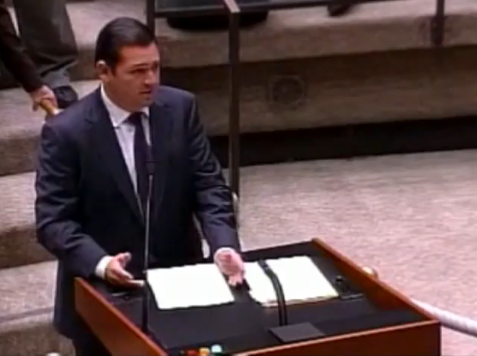
VIDEO: Greg Schultz testifies on medical marijuana laws in San Diego at Planning Commission Meeting
For more city council and commission videos from San Diego and other popular cities, please visit our YouTube Channel at: http://www.youtube.com/user/drherbalst
Wednesday, January 19, 2011
Tuesday, January 18, 2011
NEWS: LB tightens up medical marijuana law
LONG BEACH - Medical marijuana advocates came close to getting some leeway Tuesday in the city's marijuana regulations, but fell one vote short of a more lenient version of the law.
The council voted 5-4 to finalize an amended ordinance that prohibits medical marijuana collectives from being within 1,000 feet of parks, among other requirements. The council had already approved a law in March that outlawed collectives near schools, in residential areas or near one another, but decided to make it more restrictive.
The change is expected to force 11 collectives or cultivation sites to close, leaving 26 citywide, mostly in the western half of Long Beach.
The original law also required that collectives go through a permitting process, and that process hadn't been completed when the council decided late last year to alter the ordinance.
Council members Rae Gabelich, Steve Neal, James Johnson and Dee Andrews voted against the amendment. The council also voted 7-2, with Gabelich and Andrews dissenting, to establish a one-year moratorium on issuing new medical marijuana permits.
"I continue to oppose the changes in this ordinance because it changes the playing field midstream," Gabelich said. She added that changing the ordinance opens the city to more litigation.
Long Beach was already facing seven lawsuits over the law, and Deputy City Attorney Mike Mais said that an eighth lawsuit was filed this month.
Johnson voted against the law for a different reason from the others, maintaining his position that the city should restrict the number of collectives to two in each of the nine council districts so that no area has an over-concentration of them.
Other aspects of the new regulations are a 45-day public comment period on proposed collective locations, after which the council will have a hearing to determine whether the collectives should be allowed; a requirement that video surveillance systems be installed; and limiting collectives' hours of operation to 9 a.m. to 7 p.m. Each collective also will have to submit an annual audited report on revenues, expenditures and operational costs.
Source: Long Beach Press Telegram
The council voted 5-4 to finalize an amended ordinance that prohibits medical marijuana collectives from being within 1,000 feet of parks, among other requirements. The council had already approved a law in March that outlawed collectives near schools, in residential areas or near one another, but decided to make it more restrictive.
The change is expected to force 11 collectives or cultivation sites to close, leaving 26 citywide, mostly in the western half of Long Beach.
The original law also required that collectives go through a permitting process, and that process hadn't been completed when the council decided late last year to alter the ordinance.
Council members Rae Gabelich, Steve Neal, James Johnson and Dee Andrews voted against the amendment. The council also voted 7-2, with Gabelich and Andrews dissenting, to establish a one-year moratorium on issuing new medical marijuana permits.
"I continue to oppose the changes in this ordinance because it changes the playing field midstream," Gabelich said. She added that changing the ordinance opens the city to more litigation.
Long Beach was already facing seven lawsuits over the law, and Deputy City Attorney Mike Mais said that an eighth lawsuit was filed this month.
Johnson voted against the law for a different reason from the others, maintaining his position that the city should restrict the number of collectives to two in each of the nine council districts so that no area has an over-concentration of them.
Other aspects of the new regulations are a 45-day public comment period on proposed collective locations, after which the council will have a hearing to determine whether the collectives should be allowed; a requirement that video surveillance systems be installed; and limiting collectives' hours of operation to 9 a.m. to 7 p.m. Each collective also will have to submit an annual audited report on revenues, expenditures and operational costs.
Source: Long Beach Press Telegram
Labels:
city council,
long beach,
medical marijuana,
ordinance,
vote
Monday, January 17, 2011
NEWS: Medical marijuana law will again go to council
LONG BEACH - Proposed medical marijuana laws are scheduled for a final vote by Long Beach City Council members Tuesday night.
Usually at this point, the vote would be simply a rubber stamp and wouldn't warrant further discussion by the council.
But considering that this is a revision of a previously approved law, which never fully went into effect - and the council was divided over changing it - there could be attempts to alter it one more time.
In March 2010, the council approved stringent rules for marijuana collectives, including prohibiting them near schools, in residential zones or close to one another.
The proposed additional regulations, which got an initial vote of support in December, would also restrict collectives from being within 1,000 feet of parks, among other regulations.
Medical marijuana advocates and operators of collectives weren't happy with the initial ordinance, but they were livid over the council's attempt to change it after collectives had invested money, paid fees and gone to the trouble to meet all of the original law's rules. About a dozen collectives or cultivation sites will be forced to close once the new parks restriction is in place.
The vote on the proposed laws is the last item on the council's agenda.
Source: Contra Costa Times
Usually at this point, the vote would be simply a rubber stamp and wouldn't warrant further discussion by the council.
But considering that this is a revision of a previously approved law, which never fully went into effect - and the council was divided over changing it - there could be attempts to alter it one more time.
In March 2010, the council approved stringent rules for marijuana collectives, including prohibiting them near schools, in residential zones or close to one another.
The proposed additional regulations, which got an initial vote of support in December, would also restrict collectives from being within 1,000 feet of parks, among other regulations.
Medical marijuana advocates and operators of collectives weren't happy with the initial ordinance, but they were livid over the council's attempt to change it after collectives had invested money, paid fees and gone to the trouble to meet all of the original law's rules. About a dozen collectives or cultivation sites will be forced to close once the new parks restriction is in place.
The vote on the proposed laws is the last item on the council's agenda.
Source: Contra Costa Times
Labels:
city council,
long beach,
medical marijuana,
ordinance,
vote
Saturday, January 8, 2011
Saturday, January 1, 2011
Friday, December 24, 2010
NEWS: With law hazy, defiant LA pot clinics open again
LOS ANGELES -- Months after Los Angeles got serious about running a majority of medical marijuana dispensaries out of town by passing strict regulations, the ubiquitous shops are cropping up again.
A judge recently scratched key portions of the ordinance city officials spent years crafting, noting in his Dec. 10 ruling granting a preliminary injunction that a large number of shuttered collectives could reopen. Attorney David Welch, who represents clinics that sued the city when they were forced to close, said nearly 60 collectives have planned to open, and 10 have done so since the judge's decision.
"The injunction removes the fear my clients have of being prosecuted and arrested during litigation," Welch said. "My clients are reopening."
Los Angeles has been lost in a legal haze on the medical marijuana front over the past year, partly because it was faced with closing more than 430 clinics during the summer and having proponents challenging city officials at every turn.
Despite passing the ordinance in January, Los Angeles appears to be no closer to figuring out how to regulate the clinics. About 180 collectives applied to remain open, but only about 40 met all the ordinance's criteria, which included being located at least 1,000 feet from schools, parks and other gathering sites.
City Attorney Carmen Trutanich recently said the judge's ruling doesn't mean dispensaries can start cropping up once again.
His office will "enforce existing laws in order to prevent the proliferation of pot shops and the unlawful sale and distribution of marijuana to recreational users and others for profit," said Trutanich, whose office said the injunction wouldn't take effect until next month.
Eric Matuschek, owner of Starbudz, is willing to take his chances. He closed his storefront in May after receiving a letter from the city ordering him to do so. But Matuschek, who is part of the lawsuit before Superior Court Judge Anthony Mohr, reopened about a month later and was arrested and charged with a misdemeanor.
Undeterred, Matuschek opened again and has welcomed patients back over the past two months, although some of his clientele have gone elsewhere or have joined home delivery services that emerged in Los Angeles after dispensaries closed.
He said the ordinance unfairly targets some clinics that operate legally under state law, and city officials should focus their efforts elsewhere.
"It obviously has to be controlled and regulated," he said. "Go after the illegal clubs. That would keep them extremely busy."
Determining which clinics should be allowed to operate has been a major challenge for city officials. The shops that registered before a 2007 moratorium and meet the ordinance's requirements are sanctioned, authorities said.
However, Mohr disagreed with the city's approach, saying the new local law was unconstitutional on several grounds. He said the ban on new dispensaries hadn't been extended properly and actually lapsed before the clinics' registration deadline in November 2007.
Mohr also said the due process rights of operators of shuttered dispensaries were violated because they weren't provided a hearing to argue against the closure. The ordinance invades patients' privacy rights, he said, because police can access personal information without a warrant or subpoena.
He suggested in his ruling that the City Council could amend the ordinance to possibly avoid further litigation.
City Councilman Ed Reyes said the council will likely ask the city attorney's office in January to draft new ordinance language that addresses the judge's concerns.
"The legal shifting of the sands is difficult for us to draft a policy that has some consistency," Reyes said. "Our ordinance is trying to protect our communities while trying to provide medicine to those who need it most."
Observers said Los Angeles has struggled where other California cities haven't based on its sheer size. Los Angeles is one of about 35 cities in California that opted to create laws setting local rules for pot clinics.
"Los Angeles has tried to take a more aggressive stance against collectives, but collectives have also done the same with the city," said Rory Little, a professor at the University of California Hastings College of Law. "I don't think the judge's ruling is a clear victory for anybody. It's one step in an ongoing cultural battle."
Source: The Washington Post
A judge recently scratched key portions of the ordinance city officials spent years crafting, noting in his Dec. 10 ruling granting a preliminary injunction that a large number of shuttered collectives could reopen. Attorney David Welch, who represents clinics that sued the city when they were forced to close, said nearly 60 collectives have planned to open, and 10 have done so since the judge's decision.
"The injunction removes the fear my clients have of being prosecuted and arrested during litigation," Welch said. "My clients are reopening."
Los Angeles has been lost in a legal haze on the medical marijuana front over the past year, partly because it was faced with closing more than 430 clinics during the summer and having proponents challenging city officials at every turn.
Despite passing the ordinance in January, Los Angeles appears to be no closer to figuring out how to regulate the clinics. About 180 collectives applied to remain open, but only about 40 met all the ordinance's criteria, which included being located at least 1,000 feet from schools, parks and other gathering sites.
City Attorney Carmen Trutanich recently said the judge's ruling doesn't mean dispensaries can start cropping up once again.
His office will "enforce existing laws in order to prevent the proliferation of pot shops and the unlawful sale and distribution of marijuana to recreational users and others for profit," said Trutanich, whose office said the injunction wouldn't take effect until next month.
Eric Matuschek, owner of Starbudz, is willing to take his chances. He closed his storefront in May after receiving a letter from the city ordering him to do so. But Matuschek, who is part of the lawsuit before Superior Court Judge Anthony Mohr, reopened about a month later and was arrested and charged with a misdemeanor.
Undeterred, Matuschek opened again and has welcomed patients back over the past two months, although some of his clientele have gone elsewhere or have joined home delivery services that emerged in Los Angeles after dispensaries closed.
He said the ordinance unfairly targets some clinics that operate legally under state law, and city officials should focus their efforts elsewhere.
"It obviously has to be controlled and regulated," he said. "Go after the illegal clubs. That would keep them extremely busy."
Determining which clinics should be allowed to operate has been a major challenge for city officials. The shops that registered before a 2007 moratorium and meet the ordinance's requirements are sanctioned, authorities said.
However, Mohr disagreed with the city's approach, saying the new local law was unconstitutional on several grounds. He said the ban on new dispensaries hadn't been extended properly and actually lapsed before the clinics' registration deadline in November 2007.
Mohr also said the due process rights of operators of shuttered dispensaries were violated because they weren't provided a hearing to argue against the closure. The ordinance invades patients' privacy rights, he said, because police can access personal information without a warrant or subpoena.
He suggested in his ruling that the City Council could amend the ordinance to possibly avoid further litigation.
City Councilman Ed Reyes said the council will likely ask the city attorney's office in January to draft new ordinance language that addresses the judge's concerns.
"The legal shifting of the sands is difficult for us to draft a policy that has some consistency," Reyes said. "Our ordinance is trying to protect our communities while trying to provide medicine to those who need it most."
Observers said Los Angeles has struggled where other California cities haven't based on its sheer size. Los Angeles is one of about 35 cities in California that opted to create laws setting local rules for pot clinics.
"Los Angeles has tried to take a more aggressive stance against collectives, but collectives have also done the same with the city," said Rory Little, a professor at the University of California Hastings College of Law. "I don't think the judge's ruling is a clear victory for anybody. It's one step in an ongoing cultural battle."
Source: The Washington Post
Labels:
collectives,
dispensaries,
los angeles,
medical marijuana,
ordinance
Wednesday, December 22, 2010
VIDEO: Adela Falk speaks on medical marijuana at San Diego City Council Meeting
Adela Falk's public comment regarding the San Diego medical marijuana ordinance. From San Diego City Council Meeting on Tuesday December 7, 2010.
Labels:
adela falk,
city council,
medical marijuana,
ordinance,
public comment,
san diego
NEWS: Pot Collectives Vow To Fight Further City Restrictions
The medical marijuana collectives facing elimination in Long Beach have vowed to keep fighting for their right to exist — in the face of a second reading to finalize the law this January.
During its Dec. 14 meeting, the City Council passed a first reading for the medical marijuana ordinance that will eliminate as many as a dozen more collectives. Many of those collective owners have come out publicly, or through an attorney, pleading with the council to allow for relocation.
Some collective owners said they are trying to remain optimistic they will get an opportunity to relocate.
The original ordinance was enacted in the late summer, eliminating many of an estimated 90-plus collectives through an application and lottery process. After the lottery, the number of potential collectives was reduced to 32.
Then in early November, Third District Councilman Gary DeLong, Fifth District Councilwoman Gerrie Schipske and Fourth District Councilman Patrick O’Donnell introduced an agenda item for further restrictions. The council decided to enact park buffers. It was believed then that an additional nine collectives would be eliminated with the newer restrictions added.
Vance Watson, president of One Source Discount Caregivers, 5115 Atlantic Ave., said he believes his operation has legal grounds to stop the city from shutting it down. His dispensary was a winner in the lottery earlier this year, but would be shut down by the new ordinance restrictions not allowing collectives near a park.
“They pulled the rug right out from under us,” he said.
Watson said he has been working with three different lawyers in regards to what types of action his dispensary can take, depending on whether the council passes a second reading with no changes from the Dec. 14 vote.
To some owners, the process has been discredited with the latest round of restrictions, which appear to single out certain collectives — including Herbal Solutions Naples, 5746 E. Second St.
In a statement released by ownership, Herbal Solutions accused the council of “trying to exercise their legislative powers in an unabashed attempt to change the outcome of the lottery.”
“This is not a minor issue and all citizens of the city should be concerned with the precedent that this amendment sets,” the statement says.
Watson said the City Council removing beaches from the definition of parks also has raised some eyebrows.
“Who benefits from them not including beaches?” he said. “Aren’t kids still at beaches? What kind of politicking is really going on behind the scenes?”
Ninth District Councilman Steven Neal initially brought up striking beaches from the definition during the council meeting. He said his intent has been to move forward with rules that follow the original ordinance as closely as possible.
“The city has been levied with several lawsuits to date, and any changes would add further lawsuits,” he said.
The removal of beaches from the parks definition is likely to spare one or two collectives, according to initial estimates.
DeLong said his intent with further restrictions were motivated by his constituents.
“My goal is to significantly reduce the amount of dispensaries and we accomplished that goal on Tuesday (Dec. 14),” he said. “It’s hard to predict the future, but I don’t expect any additional changes going forward. However, I do expect changes a year from now (when the moratorium on accepting applications ends).”
There is still some optimism that relocation will be allowed for the nine-plus collectives that are scheduled for displacement, Watson said.
“Everyone in my situation believes the city will allow for relocation,” he said.
Herbal Solutions also is holding out hope.
“Herbal Solutions Naples has publically offered to relocate its collective out of Naples in a good faith effort to address community concerns,” the statement said. “The city’s refusal to provide relocation is baffling and amounts to nothing more than a penalty and spot zoning. Herbal Solutions Naples remains hopeful that the council will vote to allow impacted collectives to relocate when the ordinance is considered again in January, but is prepared to take legal action to protect its rights in the event that the council insists on adopting an unjust and unlawful amendment.”
Watson said his lawyers are looking at the law in regards to vested rights issues and potential impact studies they feel the council should have authorized before voting on the law.
The City Council does have the right to revisit the issue in January (Jan. 4 is the next scheduled council meeting) before passing a second reading, assistant city attorney Mike Mais said. He said the city’s attorney’s office is confident the law will stand up in court regardless.
“We feel like we’re on legally solid ground,” he said. “We’ll do our best to defend it.”
Source: Gazettes
During its Dec. 14 meeting, the City Council passed a first reading for the medical marijuana ordinance that will eliminate as many as a dozen more collectives. Many of those collective owners have come out publicly, or through an attorney, pleading with the council to allow for relocation.
Some collective owners said they are trying to remain optimistic they will get an opportunity to relocate.
The original ordinance was enacted in the late summer, eliminating many of an estimated 90-plus collectives through an application and lottery process. After the lottery, the number of potential collectives was reduced to 32.
Then in early November, Third District Councilman Gary DeLong, Fifth District Councilwoman Gerrie Schipske and Fourth District Councilman Patrick O’Donnell introduced an agenda item for further restrictions. The council decided to enact park buffers. It was believed then that an additional nine collectives would be eliminated with the newer restrictions added.
Vance Watson, president of One Source Discount Caregivers, 5115 Atlantic Ave., said he believes his operation has legal grounds to stop the city from shutting it down. His dispensary was a winner in the lottery earlier this year, but would be shut down by the new ordinance restrictions not allowing collectives near a park.
“They pulled the rug right out from under us,” he said.
Watson said he has been working with three different lawyers in regards to what types of action his dispensary can take, depending on whether the council passes a second reading with no changes from the Dec. 14 vote.
To some owners, the process has been discredited with the latest round of restrictions, which appear to single out certain collectives — including Herbal Solutions Naples, 5746 E. Second St.
In a statement released by ownership, Herbal Solutions accused the council of “trying to exercise their legislative powers in an unabashed attempt to change the outcome of the lottery.”
“This is not a minor issue and all citizens of the city should be concerned with the precedent that this amendment sets,” the statement says.
Watson said the City Council removing beaches from the definition of parks also has raised some eyebrows.
“Who benefits from them not including beaches?” he said. “Aren’t kids still at beaches? What kind of politicking is really going on behind the scenes?”
Ninth District Councilman Steven Neal initially brought up striking beaches from the definition during the council meeting. He said his intent has been to move forward with rules that follow the original ordinance as closely as possible.
“The city has been levied with several lawsuits to date, and any changes would add further lawsuits,” he said.
The removal of beaches from the parks definition is likely to spare one or two collectives, according to initial estimates.
DeLong said his intent with further restrictions were motivated by his constituents.
“My goal is to significantly reduce the amount of dispensaries and we accomplished that goal on Tuesday (Dec. 14),” he said. “It’s hard to predict the future, but I don’t expect any additional changes going forward. However, I do expect changes a year from now (when the moratorium on accepting applications ends).”
There is still some optimism that relocation will be allowed for the nine-plus collectives that are scheduled for displacement, Watson said.
“Everyone in my situation believes the city will allow for relocation,” he said.
Herbal Solutions also is holding out hope.
“Herbal Solutions Naples has publically offered to relocate its collective out of Naples in a good faith effort to address community concerns,” the statement said. “The city’s refusal to provide relocation is baffling and amounts to nothing more than a penalty and spot zoning. Herbal Solutions Naples remains hopeful that the council will vote to allow impacted collectives to relocate when the ordinance is considered again in January, but is prepared to take legal action to protect its rights in the event that the council insists on adopting an unjust and unlawful amendment.”
Watson said his lawyers are looking at the law in regards to vested rights issues and potential impact studies they feel the council should have authorized before voting on the law.
The City Council does have the right to revisit the issue in January (Jan. 4 is the next scheduled council meeting) before passing a second reading, assistant city attorney Mike Mais said. He said the city’s attorney’s office is confident the law will stand up in court regardless.
“We feel like we’re on legally solid ground,” he said. “We’ll do our best to defend it.”
Source: Gazettes
VIDEO: Adela Falk speaks on medical marijuana at San Diego City Council Meeting
Adela Falk's public comment regarding the San Diego medical marijuana ordinance. From San Diego City Council Meeting on Tuesday December 7, 2010.
Wednesday, December 15, 2010
NEWS: Restrictions That Will Close 12 Marijuana Dispensaries Approved
The City Council extensively debated the current restrictions and ordinances governing medical marijuana dispensaries in the city of Long Beach last night, ultimately deciding to close any dispensaries operating within 1,000 feet of parks (but not including beaches).
Councilmembers Dee Andrews, James Johnson and Rae Gabelich dissented in the 6-3 vote.
The move is expected to close 12 currently operating dispensaries, according to the Press-Telegram today. The Council also approved a 60-day relocation provision, and decided that site inspection hours will coincide with the dispensary's operating hours.
An earlier motion by James Johnson to restrict medical marijuana dispensaries to two per Council district was not approved (2-7, with Johnson and O'Donnell in approval).
Source: Long Beach Post
Councilmembers Dee Andrews, James Johnson and Rae Gabelich dissented in the 6-3 vote.
The move is expected to close 12 currently operating dispensaries, according to the Press-Telegram today. The Council also approved a 60-day relocation provision, and decided that site inspection hours will coincide with the dispensary's operating hours.
An earlier motion by James Johnson to restrict medical marijuana dispensaries to two per Council district was not approved (2-7, with Johnson and O'Donnell in approval).
Source: Long Beach Post
Labels:
cannabis,
collectives,
cooperatives,
dispensaries,
long beach,
medical marijuana,
ordinance
NEWS: Council Tweaks Medical Marijuana Law Again
The number of possible medical marijuana collectives in Long Beach continues to shrink.
The City Council passed a first reading Tuesday of the medical marijuana ordinance that will eliminate about a dozen more collectives by adding a buffer zone for parks after several different substitutes and amendments were turned away.
The council passed the following rules:
• Collectives will not be allowed to exist within 1,000 feet of parks (in addition to the 1,000-foot restriction to elementary and middle schools, 1,500 feet from high schools and 1,000 feet from other collectives). However, beaches were stricken from the definition of parks for the purposes of this ordinance.
• There will be a 45-day public comment period regarding the propriety of issuing a permit for a particular location. There will be a City Council hearing within 60 days after the 45-public hearing period.
• Each approved collective will need to install and maintain video surveillance equipment that will allow the police department to monitor the exterior grounds for the purpose of looking into criminal and nuisance activity.
• Collectives will be allowed to operate only between 9 a.m. and 7 p.m.
• Each collective will be required to submit an annual audited report prepared by a CPA that will detail statements including revenue, operational costs and expenditures.
• There will be a one-year moratorium on accepting any new applications starting immediately.
The original law had been enacted in the late summer, eliminating many of an estimated 90-plus existing collectives through an application and lottery process. After the lottery, the number of potential collectives was reduced to 32.
Then in early November, Third District Councilman Gary DeLong, Fifth District Councilwoman Gerrie Schipske and Fourth District Councilman Patrick O’Donnell introduced an agenda item for further restrictions. The council decided to enact the park buffers. It was believed at the time that an additional nine collectives would be eliminated with the newer restrictions added.
For much of the meeting, the debate centered on three issues: Whether patients’ rights were violated with further security camera measures, if collectives eliminated by newer restrictions should receive a 60-day relocation period and whether the council should go further and enact rules that would restrict the number of collectives to two per district.
Eighth District Councilwoman Rae Gabelich said she was concerned with requiring collectives to have a “live tape” setup for the Long Beach Police Department to use at all times. Several people in the public comment portion of the item echoed her sentiments.
“Is it (this kind of measure) going to be at a CVS or Walgreens?” asked Christina Roberts, a First District resident and U.S. Army veteran.
Seventh District Councilman James Johnson remained adamant that the council vote to cap the number of collectives to a maximum of two per district. He pointed out that as the buffer zones stand right now, that his and other districts in north Long Beach have a much larger number of collectives. He said he wanted a “more equitable distribution” so that no district was overburdened, and that patients would have equal access all over the city.
Ninth District Councilman Steven Neal made a motion to adopt the further restrictions, but to allow those displaced a relocation period of 60 days — and to remove beaches from the parks definition for this specific ordinance. That motion passed 5-4.
However, during the council’s vote to impose the one-year moratorium, it appeared as though Schipske had a change of heart. She asked the council to reconsider the vote that had passed 5-4. She then changed her vote and the measure failed 5-4 (Schipske, O’Donnell, Johnson, DeLong and Second District Councilwoman Suja Lowenthal voted against).
Earlier, the council voted 7-2 (Johnson, O’Donnell dissenting) against Johnson’s request for a maximum collective cap of two.
The council passed its final ordinance 6-3 (Johnson, Gabelich and Sixth District Councilman Dee Andrews dissenting).
The new restrictions could open the city up to more lawsuits from collectives. Attorney Richard Brizendine warned the council that nine collectives already had approached him about potential litigation against the city.
Lobbyist Carl Kemp, who said he was representing four collectives, pleaded with the council to at least allow for the 60-day relocation amendment to pass.
“You have to let people relocate if you change the rules (further),” he said.
The council still must pass the ordinance change on a second reading before it goes into effect.
Source: Gazettes
The City Council passed a first reading Tuesday of the medical marijuana ordinance that will eliminate about a dozen more collectives by adding a buffer zone for parks after several different substitutes and amendments were turned away.
The council passed the following rules:
• Collectives will not be allowed to exist within 1,000 feet of parks (in addition to the 1,000-foot restriction to elementary and middle schools, 1,500 feet from high schools and 1,000 feet from other collectives). However, beaches were stricken from the definition of parks for the purposes of this ordinance.
• There will be a 45-day public comment period regarding the propriety of issuing a permit for a particular location. There will be a City Council hearing within 60 days after the 45-public hearing period.
• Each approved collective will need to install and maintain video surveillance equipment that will allow the police department to monitor the exterior grounds for the purpose of looking into criminal and nuisance activity.
• Collectives will be allowed to operate only between 9 a.m. and 7 p.m.
• Each collective will be required to submit an annual audited report prepared by a CPA that will detail statements including revenue, operational costs and expenditures.
• There will be a one-year moratorium on accepting any new applications starting immediately.
The original law had been enacted in the late summer, eliminating many of an estimated 90-plus existing collectives through an application and lottery process. After the lottery, the number of potential collectives was reduced to 32.
Then in early November, Third District Councilman Gary DeLong, Fifth District Councilwoman Gerrie Schipske and Fourth District Councilman Patrick O’Donnell introduced an agenda item for further restrictions. The council decided to enact the park buffers. It was believed at the time that an additional nine collectives would be eliminated with the newer restrictions added.
For much of the meeting, the debate centered on three issues: Whether patients’ rights were violated with further security camera measures, if collectives eliminated by newer restrictions should receive a 60-day relocation period and whether the council should go further and enact rules that would restrict the number of collectives to two per district.
Eighth District Councilwoman Rae Gabelich said she was concerned with requiring collectives to have a “live tape” setup for the Long Beach Police Department to use at all times. Several people in the public comment portion of the item echoed her sentiments.
“Is it (this kind of measure) going to be at a CVS or Walgreens?” asked Christina Roberts, a First District resident and U.S. Army veteran.
Seventh District Councilman James Johnson remained adamant that the council vote to cap the number of collectives to a maximum of two per district. He pointed out that as the buffer zones stand right now, that his and other districts in north Long Beach have a much larger number of collectives. He said he wanted a “more equitable distribution” so that no district was overburdened, and that patients would have equal access all over the city.
Ninth District Councilman Steven Neal made a motion to adopt the further restrictions, but to allow those displaced a relocation period of 60 days — and to remove beaches from the parks definition for this specific ordinance. That motion passed 5-4.
However, during the council’s vote to impose the one-year moratorium, it appeared as though Schipske had a change of heart. She asked the council to reconsider the vote that had passed 5-4. She then changed her vote and the measure failed 5-4 (Schipske, O’Donnell, Johnson, DeLong and Second District Councilwoman Suja Lowenthal voted against).
Earlier, the council voted 7-2 (Johnson, O’Donnell dissenting) against Johnson’s request for a maximum collective cap of two.
The council passed its final ordinance 6-3 (Johnson, Gabelich and Sixth District Councilman Dee Andrews dissenting).
The new restrictions could open the city up to more lawsuits from collectives. Attorney Richard Brizendine warned the council that nine collectives already had approached him about potential litigation against the city.
Lobbyist Carl Kemp, who said he was representing four collectives, pleaded with the council to at least allow for the 60-day relocation amendment to pass.
“You have to let people relocate if you change the rules (further),” he said.
The council still must pass the ordinance change on a second reading before it goes into effect.
Source: Gazettes
Sunday, December 12, 2010
NEWS: Los Angeles medical marijuana clinic law hit w/injunction
LOS ANGELES (KABC) -- Efforts to regulate medical marijuana dispensaries in Los Angeles were dealt a setback.
A judge issued a preliminary injunction that blocks key parts of the city's law designed to regulate marijuana dispensaries.
The Friday decision by Superior Court Judge Anthony Mohr could mean a large number of dispensaries could reopen.
It also could lead to new pot dispensaries popping up as the legal wrangling continues.
The judge ruled that Los Angeles improperly extended its moratorium, creating confusion over the deadline for dispensaries to register.
After the L.A. City Council approved the ordinance earlier in 2010, 180 of the dispensaries applied to remain open, but only about 40 met all the criteria.
The ordinance's requirements included having dispensaries be 1,000 feet from schools, parks and other gathering sites and its owners also undergoing a background check.
In granting the ordinance, Mohr said the due process rights of operators of shuttered dispensaries were violated because they weren't provided a hearing to argue against the closure.
The Associated Press contributed to this report.
Source: ABC News
A judge issued a preliminary injunction that blocks key parts of the city's law designed to regulate marijuana dispensaries.
The Friday decision by Superior Court Judge Anthony Mohr could mean a large number of dispensaries could reopen.
It also could lead to new pot dispensaries popping up as the legal wrangling continues.
The judge ruled that Los Angeles improperly extended its moratorium, creating confusion over the deadline for dispensaries to register.
After the L.A. City Council approved the ordinance earlier in 2010, 180 of the dispensaries applied to remain open, but only about 40 met all the criteria.
The ordinance's requirements included having dispensaries be 1,000 feet from schools, parks and other gathering sites and its owners also undergoing a background check.
In granting the ordinance, Mohr said the due process rights of operators of shuttered dispensaries were violated because they weren't provided a hearing to argue against the closure.
The Associated Press contributed to this report.
Source: ABC News
Saturday, December 11, 2010
NEWS: Appeal likely in LA medical pot ruling
LOS ANGELES, Dec. 11 (UPI) -- A lawyer for 60 Los Angeles marijuana dispensaries says he expects the city to appeal a ruling blocking enforcement of new regulations on the pot shops.
Attorney David Welch told the Los Angeles Times the ruling would allow his clients to remain open pending further litigation on his lawsuit against the ordinance.
"It means they can't use strong-arm tactics such as arresting my clients and raids of the dispensaries to prevent my clients from going through the legal process," Welch said.
The Times said Saturday that the city attorney's office declined comment on the ruling, which was issued in Los Angeles Superior Court Friday.
The ruling involves a recent ordinance approved by the City Council that would only allow medical marijuana dispensaries that were registered with the city prior in 2007 to remain open. Scores of other such businesses would have to close.
The Times said Judge Anthony Mohr agreed the ordinance violated state and federal provisions for equal protection under the law.
Mohr also wrote in his 40-page ruling that grandfathering in the existing dispensaries was, in his opinion, a viable compromise. The city, however, has been trying to get a handle on a sudden boom in pot dispensaries around town.
Source: United Press International
Attorney David Welch told the Los Angeles Times the ruling would allow his clients to remain open pending further litigation on his lawsuit against the ordinance.
"It means they can't use strong-arm tactics such as arresting my clients and raids of the dispensaries to prevent my clients from going through the legal process," Welch said.
The Times said Saturday that the city attorney's office declined comment on the ruling, which was issued in Los Angeles Superior Court Friday.
The ruling involves a recent ordinance approved by the City Council that would only allow medical marijuana dispensaries that were registered with the city prior in 2007 to remain open. Scores of other such businesses would have to close.
The Times said Judge Anthony Mohr agreed the ordinance violated state and federal provisions for equal protection under the law.
Mohr also wrote in his 40-page ruling that grandfathering in the existing dispensaries was, in his opinion, a viable compromise. The city, however, has been trying to get a handle on a sudden boom in pot dispensaries around town.
Source: United Press International
Labels:
attorney,
ban,
collectives,
cooperatives,
court,
david welch,
dispensaries,
los angeles,
medical marijuana,
ordinance,
ruling
Friday, December 10, 2010
NEWS: Judge Rejects LA Ordinance Limiting Pot Dispensaries
Los Angeles - A judge issued an injunction today blocking major portions of Los Angeles' medical marijuana ordinance, but a councilman vowed to enact "emergency legislation" that would prevent the ruling from opening the door to new dispensaries.
The ordinance, which took effect in June, limited the number of dispensaries to the 187 that had registered with the city and opened before a 2007 moratorium.
It also prohibited new dispensaries from opening if any of them closed, with the goal of reducing the number of marijuana outlets in the city to 70.
However, Los Angeles Superior Court Judge Anthony Mohr ruled today the city had improperly extended its moratorium, creating confusion over the deadline for dispensaries to register with the city and violating the rights of other dispensary operators.
Mohr said the city could amend the ordinance to make it enforceable, but issued an injunction blocking enforcement of the existing restriction on more dispensaries.
Mohr acknowledged his ruling could lead to a proliferation of dispensaries in the city.
Councilman Ed Reyes said he would meet with his City Council colleagues on Monday to discuss "emergency legislation" to stop new dispensaries from opening while the City Attorney's Office tweaks the ordinance to address the judge's concerns.
"I'll be working, along with my colleagues, to protect our city," said Reyes, who spent years working on the ordinance that was partially struck down.
"We're going to be considering emergency legislation, looking at different ways to implement any type of planning (and) police power tools we have, any type of enforcement tools that we have to make sure that the people who choose to abuse this environment will find that the city is going to protect our neighborhoods to the extent possible."
Mohr did not invalidate other parts of the ordinance that restricts where the dispensaries can be located.
The chief counsel for Americans for Safe Access, which supports medical marijuana, said he was "delighted by the ruling."
"The ruling states localities cannot ban medical marijuana dispensaries, or as the court puts it, regulate them out of existence," Joe Elford told City News Service.
"The decision also protects the privacy rights of medical marijuana patients by making it clear that law enforcement cannot simply by whim obtain patient records from dispensaries."
Source: MyFox LA
The ordinance, which took effect in June, limited the number of dispensaries to the 187 that had registered with the city and opened before a 2007 moratorium.
It also prohibited new dispensaries from opening if any of them closed, with the goal of reducing the number of marijuana outlets in the city to 70.
However, Los Angeles Superior Court Judge Anthony Mohr ruled today the city had improperly extended its moratorium, creating confusion over the deadline for dispensaries to register with the city and violating the rights of other dispensary operators.
Mohr said the city could amend the ordinance to make it enforceable, but issued an injunction blocking enforcement of the existing restriction on more dispensaries.
Mohr acknowledged his ruling could lead to a proliferation of dispensaries in the city.
Councilman Ed Reyes said he would meet with his City Council colleagues on Monday to discuss "emergency legislation" to stop new dispensaries from opening while the City Attorney's Office tweaks the ordinance to address the judge's concerns.
"I'll be working, along with my colleagues, to protect our city," said Reyes, who spent years working on the ordinance that was partially struck down.
"We're going to be considering emergency legislation, looking at different ways to implement any type of planning (and) police power tools we have, any type of enforcement tools that we have to make sure that the people who choose to abuse this environment will find that the city is going to protect our neighborhoods to the extent possible."
Mohr did not invalidate other parts of the ordinance that restricts where the dispensaries can be located.
The chief counsel for Americans for Safe Access, which supports medical marijuana, said he was "delighted by the ruling."
"The ruling states localities cannot ban medical marijuana dispensaries, or as the court puts it, regulate them out of existence," Joe Elford told City News Service.
"The decision also protects the privacy rights of medical marijuana patients by making it clear that law enforcement cannot simply by whim obtain patient records from dispensaries."
Source: MyFox LA
Thursday, December 2, 2010
VIDEO: Adela Falk's Presentation on Medical Marijuana to SD Council
Adela Falk's Presentation on Medical Marijuana before the San Diego City Council. From council meeting on November 9, 2010.
Labels:
adela falk,
ban,
city council,
collective,
medical marijuana,
ordinance,
san diego
Wednesday, November 24, 2010
NEWS: Long Beach pot law gets legal setback
COURTS: Judge must determine if city can regulate a federally illegal drug.
The future of Long Beach's medical marijuana regulations - and potentially of medical marijuana throughout the state - is in question after an appeals court ruling Wednesday.
The 2nd District Court of Appeals ruled that a Los Angeles County Superior Court judge must reexamine his decision Nov. 2 upholding Long Beach's new medical marijuana ordinance.
At issue is whether Long Beach's issuance of permits for medical marijuana collectives is a violation of federal law, which considers marijuana an illegal drug. That is exactly what the plaintiffs, medical marijuana patients Ryan Pack and Anthony Gayle, argue in their lawsuit.
The appeals court ruled that the lower court didn't fully address the matter.
"The issue of federal preemption was raised but not considered in the trial court," the appeals court says in its order. "This court believes that this is an important unresolved question that should be addressed."
Long Beach's law requires collectives to meet a range of requirements before they can be given a permit to operate. Among other things, the ordinance prohibits collectives from locating in residential zones, near schools or near each other, and it requires that the marijuana be grown within the city limits.
The appeals courts decision to stay the lower court's ruling doesn't have an immediate impact on the enforcement or enactment of Long Beach's law.
Matthew Pappas, the attorney for the plaintiffs, couldn't be reached for comment Wednesday, but City Attorney Bob Shannon didn't seem to consider the appeals court decision a loss.
"I am frankly relieved a court is finally addressing the elephant in the room - the elephant in the room being the impact that federal law has on state law," Shannon said.
Under a 1996 voter-approved proposition, California allows the use of marijuana for medicinal purposes if recommended by a doctor. Advocates say that cities and counties must provide patients with reasonable access to the drug, which is used by cancer patients, AIDS patients, those with chronic pain and others.
If the Los Angeles County court rules that Long Beach's ordinance violates federal laws, Long Beach would likely have to repeal or rewrite its ordinance.
The ruling could set a precedent for similar cases around the state, or if appealed, it could eventually work its way up to the state Supreme Court. Any decision there could have far-reaching effects on California's medical marijuana laws, possibly reinterpreting what state or local governments
"It's a bigger issue than just simply Long Beach's ordinance," Shannon said.
That, he said, is why it seems strange that medical marijuana advocates would use such a tactic in fighting Long Beach's regulations. The city is fighting five other legal challenges of the ordinance as well, but none of them uses federal preemption.
"Even if you accept the argument that there is preemption, how does it benefit medical marijuana advocates? It doesn't," Shannon said.
Long Beach is one of many California cities that have attempted to regulate or outright ban medical marijuana in recent years as the number of collectives and dispensaries has skyrocketed.
Almost daily, it seems, there are new developments in marijuana laws around the state.
On Tuesday, the County Board of Supervisors voted to create a ban on medical marijuana outlets in unincorporated areas of the city.
Last week, the Long Beach council voted to rework its ordinance to make it more restrictive by implementing new rules, such as prohibiting collectives near parks. The move, which came after months of debate over the initial version of the law but before permits had been issued, sparked an outcry from the local medical marijuana community.
Source: Long Beach Press Telegram
The future of Long Beach's medical marijuana regulations - and potentially of medical marijuana throughout the state - is in question after an appeals court ruling Wednesday.
The 2nd District Court of Appeals ruled that a Los Angeles County Superior Court judge must reexamine his decision Nov. 2 upholding Long Beach's new medical marijuana ordinance.
At issue is whether Long Beach's issuance of permits for medical marijuana collectives is a violation of federal law, which considers marijuana an illegal drug. That is exactly what the plaintiffs, medical marijuana patients Ryan Pack and Anthony Gayle, argue in their lawsuit.
The appeals court ruled that the lower court didn't fully address the matter.
"The issue of federal preemption was raised but not considered in the trial court," the appeals court says in its order. "This court believes that this is an important unresolved question that should be addressed."
Long Beach's law requires collectives to meet a range of requirements before they can be given a permit to operate. Among other things, the ordinance prohibits collectives from locating in residential zones, near schools or near each other, and it requires that the marijuana be grown within the city limits.
The appeals courts decision to stay the lower court's ruling doesn't have an immediate impact on the enforcement or enactment of Long Beach's law.
Matthew Pappas, the attorney for the plaintiffs, couldn't be reached for comment Wednesday, but City Attorney Bob Shannon didn't seem to consider the appeals court decision a loss.
"I am frankly relieved a court is finally addressing the elephant in the room - the elephant in the room being the impact that federal law has on state law," Shannon said.
Under a 1996 voter-approved proposition, California allows the use of marijuana for medicinal purposes if recommended by a doctor. Advocates say that cities and counties must provide patients with reasonable access to the drug, which is used by cancer patients, AIDS patients, those with chronic pain and others.
If the Los Angeles County court rules that Long Beach's ordinance violates federal laws, Long Beach would likely have to repeal or rewrite its ordinance.
The ruling could set a precedent for similar cases around the state, or if appealed, it could eventually work its way up to the state Supreme Court. Any decision there could have far-reaching effects on California's medical marijuana laws, possibly reinterpreting what state or local governments
"It's a bigger issue than just simply Long Beach's ordinance," Shannon said.
That, he said, is why it seems strange that medical marijuana advocates would use such a tactic in fighting Long Beach's regulations. The city is fighting five other legal challenges of the ordinance as well, but none of them uses federal preemption.
"Even if you accept the argument that there is preemption, how does it benefit medical marijuana advocates? It doesn't," Shannon said.
Long Beach is one of many California cities that have attempted to regulate or outright ban medical marijuana in recent years as the number of collectives and dispensaries has skyrocketed.
Almost daily, it seems, there are new developments in marijuana laws around the state.
On Tuesday, the County Board of Supervisors voted to create a ban on medical marijuana outlets in unincorporated areas of the city.
Last week, the Long Beach council voted to rework its ordinance to make it more restrictive by implementing new rules, such as prohibiting collectives near parks. The move, which came after months of debate over the initial version of the law but before permits had been issued, sparked an outcry from the local medical marijuana community.
Source: Long Beach Press Telegram
Labels:
ban,
cannabis,
collectives,
cooperatives,
dispensaries,
lawsuit,
long beach,
medical marijuana,
ordinance
Saturday, November 20, 2010
VIDEO: Christina Roberts, a patient and war veteran, testifies at LB Council Meeting on Proposed Changes to Medical Marijuana Ordinance
Friday, November 19, 2010
NEWS: Long Beach weeds out more medical marijuana sites
LONG BEACH - Nine more Long Beach medical marijuana sites will shut down under proposed amendments supported Tuesday by the City Council, leaving 28 total locations for dispensing or growing the drug.
The council reached a late-night compromise, voting not to fully support changes to the city's medical marijuana law that had been pushed by three council members, but still adding some new restrictions for marijuana collectives.
Most notably, the council didn't restrict marijuana cultivation to industrial areas nor limit the number of collectives allowed throughout the city, but it did create buffer zones around parks.
The council voted 7-2 to rewrite the law that it had approved in March, adding to existing rules that include prohibitions against collectives operating near schools, in residential areas or within 1,000 feet of each other, and a requirement that they must grow their marijuana within the city limits.
Supporting a compromise proposed by Councilman Robert Garcia, the council added several new rules, which were based off of a more stringent proposal by council members Gary DeLong, Gerrie Schipske and Patrick O'Donnell.
"I think what's being proposed tonight is overly restrictive," Councilman Robert Garcia said of the original proposal.
"We are talking about patients, and these are people that have been prescribed medicine and they have a right to access that medicine."
Under DeLong, O'Donnell and Schipske's proposal, collectives would have been allowed to grow marijuana only in industrial areas; wouldn't have been able to operate within 1,000 feet of libraries, child-care centers and parks; and would have been restricted to 18 operations citywide and two per council district.
Under Garcia's proposed restrictions that were approved by the council:
Collectives must submit audited financial statements and their annual state sales tax report to the city.
Collectives only be open from 9 a.m. to 7p.m. daily (this is a change from the original proposal that collectives close at 5 p.m.)
There will be a 45-day public review period followed by a hearing in front of the council for new marijuana collective applications, rather than just a public hearing.
No collectives will be allowed within 1,000 feet of parks.
Security cameras will be required on the outside of collective buildings.
A one-year moratorium on new collectives will go into effect.
DeLong calculated during the meeting that the changes would eliminate nine of the existing 37 marijuana sites.
O'Donnell and Councilman James Johnson voted against the motion because they wanted a stricter policy. Johnson said he feared that without limiting the number of collectives, certain parts of the city might end up with a proliferation of collectives.
"I just don't think it's fair for certain parts of the city to bear the potential burden of potential nuisance activity while others don't," Johnson said.
Tuesday's action requires the City Attorney's Office to rewrite the ordinance, but the council will have to vote on it two more times, giving the council two more chances to tweak the law.
Collective operators had already threatened to take legal action if the council changed the ordinance, and that had been one of the concerns of some council members going into the meeting.
Still, one question that concerned Councilwoman Rae Gabelich was how the city will be able to reimburse the collectives for their permit fees, which were $14,700 for a single collective, but that increased to $25,000 for those that had a separate cultivation site.
Long Beach officials used that marijuana permit revenue - over $700,000 in all - to help end the last fiscal year with a balanced budget.
"We couldn't tell you tonight where the money would come from on that," City Manager Pat West told the council.
Collective operators had mixed feelings about the new rules after Tuesday's meeting. Some were relieved that their collectives won't be affected, while others, such as Judi Farris, who runs Long Beach Natural Solutions collective at 726 W. Willow St., feared that more changes are to come.
"They (the council) can just keep doing it and doing it until there's no one left," Farris said.
Source: Long Beach Press-Telegram
The council reached a late-night compromise, voting not to fully support changes to the city's medical marijuana law that had been pushed by three council members, but still adding some new restrictions for marijuana collectives.
Most notably, the council didn't restrict marijuana cultivation to industrial areas nor limit the number of collectives allowed throughout the city, but it did create buffer zones around parks.
The council voted 7-2 to rewrite the law that it had approved in March, adding to existing rules that include prohibitions against collectives operating near schools, in residential areas or within 1,000 feet of each other, and a requirement that they must grow their marijuana within the city limits.
Supporting a compromise proposed by Councilman Robert Garcia, the council added several new rules, which were based off of a more stringent proposal by council members Gary DeLong, Gerrie Schipske and Patrick O'Donnell.
"I think what's being proposed tonight is overly restrictive," Councilman Robert Garcia said of the original proposal.
"We are talking about patients, and these are people that have been prescribed medicine and they have a right to access that medicine."
Under DeLong, O'Donnell and Schipske's proposal, collectives would have been allowed to grow marijuana only in industrial areas; wouldn't have been able to operate within 1,000 feet of libraries, child-care centers and parks; and would have been restricted to 18 operations citywide and two per council district.
Under Garcia's proposed restrictions that were approved by the council:
Collectives must submit audited financial statements and their annual state sales tax report to the city.
Collectives only be open from 9 a.m. to 7p.m. daily (this is a change from the original proposal that collectives close at 5 p.m.)
There will be a 45-day public review period followed by a hearing in front of the council for new marijuana collective applications, rather than just a public hearing.
No collectives will be allowed within 1,000 feet of parks.
Security cameras will be required on the outside of collective buildings.
A one-year moratorium on new collectives will go into effect.
DeLong calculated during the meeting that the changes would eliminate nine of the existing 37 marijuana sites.
O'Donnell and Councilman James Johnson voted against the motion because they wanted a stricter policy. Johnson said he feared that without limiting the number of collectives, certain parts of the city might end up with a proliferation of collectives.
"I just don't think it's fair for certain parts of the city to bear the potential burden of potential nuisance activity while others don't," Johnson said.
Tuesday's action requires the City Attorney's Office to rewrite the ordinance, but the council will have to vote on it two more times, giving the council two more chances to tweak the law.
Collective operators had already threatened to take legal action if the council changed the ordinance, and that had been one of the concerns of some council members going into the meeting.
Still, one question that concerned Councilwoman Rae Gabelich was how the city will be able to reimburse the collectives for their permit fees, which were $14,700 for a single collective, but that increased to $25,000 for those that had a separate cultivation site.
Long Beach officials used that marijuana permit revenue - over $700,000 in all - to help end the last fiscal year with a balanced budget.
"We couldn't tell you tonight where the money would come from on that," City Manager Pat West told the council.
Collective operators had mixed feelings about the new rules after Tuesday's meeting. Some were relieved that their collectives won't be affected, while others, such as Judi Farris, who runs Long Beach Natural Solutions collective at 726 W. Willow St., feared that more changes are to come.
"They (the council) can just keep doing it and doing it until there's no one left," Farris said.
Source: Long Beach Press-Telegram
Labels:
ban,
long beach,
medical marijuana,
ordinance,
restrictions
Subscribe to:
Posts (Atom)